Let's talk about the thing surgeons don't
Here's the honest part: your doctor gives you clearance to resume sex, hands you a pamphlet about pelvic floor recovery, and sends you on your way. What they don't tell you is that "cleared" doesn't mean "ready," and there's a whole middle ground between absolute rest and your pre-surgery baseline. That gap is where most people get stuck.
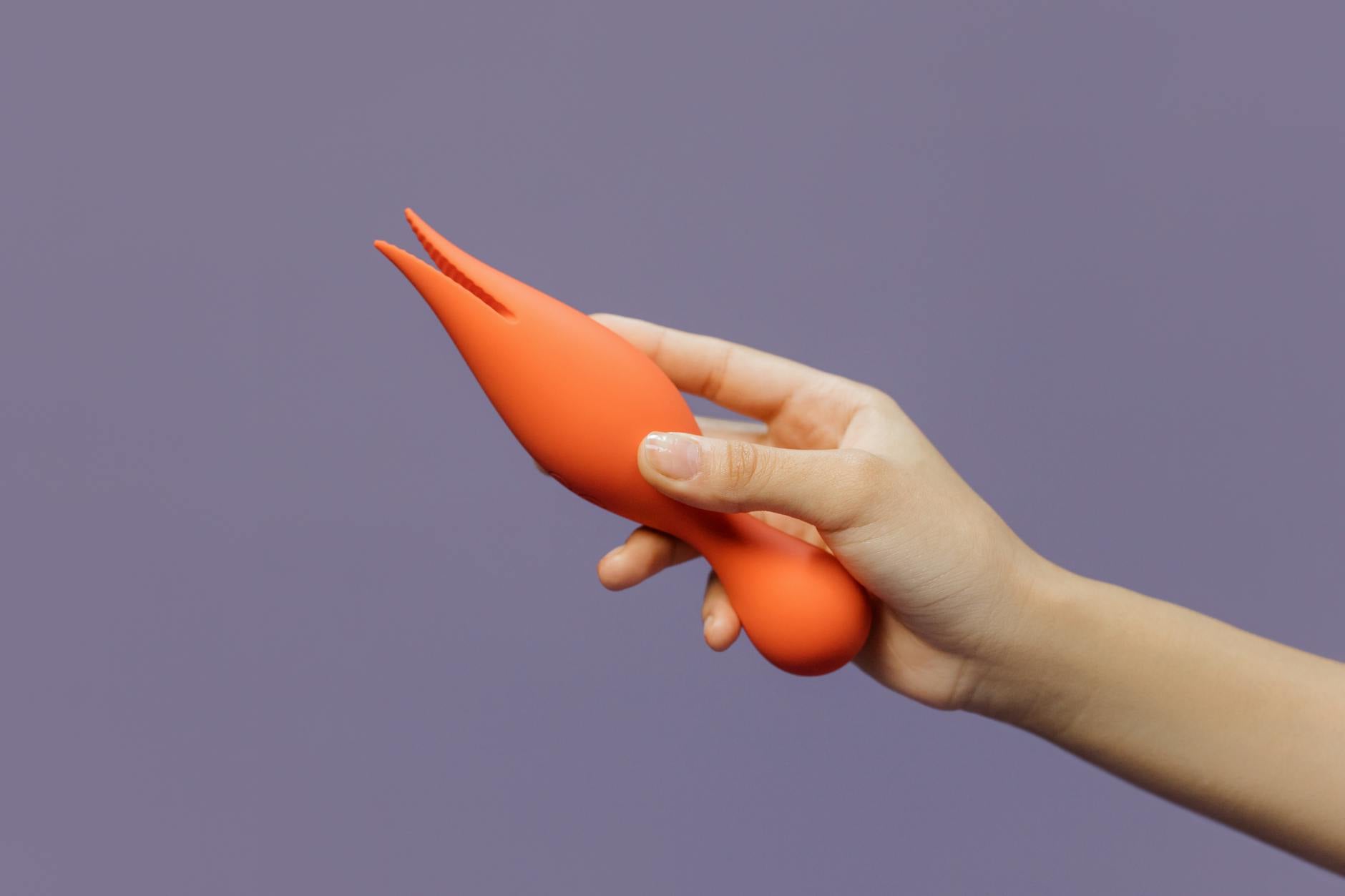
Post-surgical intimacy isn't about rushing back to what you had before. It's about rebuilding sensation, confidence, and trust in your body on its own timeline. And it turns out that lemon vibrators, especially air-suction devices like the Lem, do something genuinely useful during recovery that penetrative touch doesn't.
Why the standard advice misses the point
Most post-surgical guidance focuses on penetration. Don't have intercourse until week six (or eight, depending on the procedure). Then once cleared, go ahead. But that's like telling someone to run a 5K after being cleared to walk.
Clitoral stimulation is different. It doesn't create internal pressure the way penetration does. It doesn't risk disturbing sutures or triggering the pelvic floor to brace. And here's what matters: it wakes up the nervous system in ways that build confidence before you're physically ready for anything more.
The Lem's suction technology is particularly useful after surgery because it doesn't require friction. Your tissues are fragile, often numb or hypersensitive. Air-suction stimulation bypasses the friction problem entirely. You get sustained, consistent nerve activation without mechanical pressure.
When it's actually safe to start (the real timeline)
Your doctor cleared you for sex at week six. That doesn't mean you're ready for anything vigorous. Here's what the timeline actually looks like:
Weeks 2-4: Sensation exploration only. No vibration. You're just relearning what touch feels like. Numbing is normal post-surgery. Gently touching your clitoral area (externally only) helps restore neural pathways and challenges the "my body is broken" narrative before it takes root.
Weeks 5-6: Low-intensity vibration, short sessions. This is where lemon vibrators enter the picture. Start with pattern 1 or 2 on the Lem, 5 minutes max. You're not chasing orgasm. You're signaling to your nervous system that sensation is returning and safe.
Weeks 7-8: Longer sessions, playful exploration. By now most people are cleared by their surgeon. Extend to 10-15 minutes. Increase intensity only if it feels genuinely good, not because you think you should.
Week 9 onward: Rebuild at your pace. Now you have options. Solo exploration, partnered touch, whatever feels right. Many people find they don't want to rush back to penetration. That's not failure. That's information.
Why numbness after surgery shouldn't stop you
Post-operative numbness is your nervous system protecting the area while it heals. It's not permanent, and it doesn't mean pleasure is off the table.
Clitoral stimulation during the numb phase actually helps. The repetitive, consistent input from lemon vibrators (or any clitoral vibrator) acts as a rehabilitation signal. You're essentially retraining your nerves to recognize and respond to stimulus. People who use vibrators during post-surgical numbness often regain sensation faster than those who wait in silence.
Start at the lowest intensity. You might feel nothing. Keep going for 5-10 minutes anyway. Your nervous system is registering input even if your brain isn't reporting it yet. This is normal. Annoying, yes. Temporary, also yes.
Body positioning that actually helps during recovery
Penetration positions are off limits for weeks. But clitoral stimulation has almost no positioning restrictions. That said, some feel better than others during recovery.
Lying flat on your back. Easiest. Zero pelvic floor tension, no internal pressure. Your whole core stays relaxed. This is the gold standard for weeks 6-8.
Reclined slightly. Pillow under your hips. Creates gentle support without straining. Good if lying flat feels too exposed or vulnerable.
Seated. Once you're a few weeks out and internal healing is solid, sitting upright with the Lem gives you more control and less internal pressure than lying down. Your pelvic floor is less likely to clench.
What to avoid: anything that requires you to clench your core, squeeze your glutes, or create internal abdominal pressure. Think: no prone positions, nothing that requires your pelvic floor to hold you up.
The lubrication conversation (yes, even now)
Post-surgical tissue is often dry. Hormonal shifts from anesthesia, reduced blood flow, medications. And even though you're using an external vibrator, the area still benefits from a moisture layer.
Use a water-based lubricant around the clitoral area. Not inside. A thin layer helps the Lem glide smoothly and reduces the risk of irritation against already-sensitive tissue. This isn't optional. It's basic tissue care.
If you've had gynecological surgery specifically, check with your surgeon about whether flavored or scented lubes are safe for you (some surgeons prefer you avoid these for a few weeks). When in doubt, plain water-based is always the answer.
When partnered touch comes back into the picture
Maybe you used the Lem solo for a few weeks. Now your partner wants to touch you, and suddenly you're in a conversation about what's safe and what feels vulnerable.
External touch from a partner is fine once you've been cleared by your surgeon. But there's a psychological layer most people skip over. You might feel self-conscious about scars, about numbness, about having a device do what your body used to do automatically.
Talk to your partner first. Not during, before. "My clitoris is still healing. I'm going to need consistent pressure and probably longer warm-up time. This doesn't mean I'm not into you. This means my body is recalibrating." Frame it as information, not rejection.
Many couples find that using a lemon vibrator together actually rebuilds intimacy faster than trying to jump back to penetration. Your partner can hold the Lem. You stay in control of intensity. It removes the pressure to perform and turns pleasure into collaboration.
Pain during recovery is not normal (when to call your surgeon)
There's post-operative discomfort. That's different from pain. Discomfort is soreness, tightness, mild sensation. Pain is sharp, sudden, or throbbing. Stop immediately if you feel pain during vibrator use and contact your surgeon.
Similarly, if numbness hasn't improved by week 8 or 9, check in. It usually comes back on its own. Sometimes it doesn't, and sometimes there are interventions that help.
And if you're experiencing excessive pelvic floor tension (unable to relax even without touch), that's worth discussing with your surgeon or a pelvic floor physical therapist. They can teach you how to rebuild tone and relaxation in the right sequence.
The emotional piece (which is honestly the bigger piece)
Surgery changes your relationship with your body. Even routine procedures create this weird moment where you realize your body isn't a given. It requires maintenance. It can fail. It can change in unexpected ways.
Rebuilding pleasure afterward isn't just about tissue healing. It's about rebuilding trust. Using the Lem during recovery does something psychological that waiting doesn't: it proves to you that your body still works. That sensation returns. That pleasure is possible even after disruption.
Give yourself permission to go slow. If the Lem doesn't feel amazing for the first few weeks, that's not a sign you should've bought something else. That's a sign your nervous system is still waking up. Keep going. It gets better.
And if you find you're not interested in sex for months after surgery, that's also normal. Hormones, pain, medications, and psychological processing all interfere with desire. Clitoral vibrators can help restart the conversation with your body, but they're not a cure-all. Some recovery just takes time.
People also ask
Is it okay to use vibrators before my surgeon gives final clearance?
External clitoral stimulation is generally safer than penetration and most surgeons are fine with it by week 4-5, but check yours first. The goal of this early exploration is sensation and confidence rebuilding, not orgasm chasing. Low intensity, short sessions, and stop immediately if you feel pain.
Can I damage internal healing by using a vibrator too early?
Clitoral vibrators don't create the internal pressure or friction that penetration does, so the risk is much lower. That said, if vibration makes your pelvic floor clench hard, it can create indirect tension on healing tissue. If you feel your muscles tightening during use, stop, breathe, and try again at lower intensity.
How long until the lemon clitoral vibrator feels as good as it did before surgery?
This varies wildly. Some people feel normal again by week 8. Others take months for sensation to fully return. Numbness doesn't mean the tissue is broken, it just means your nerves are still reorganizing. Keep using the vibrator consistently and resist the urge to crank up intensity to compensate. Your baseline will return.
Will using vibrators delay my recovery?
If you're using them at low intensity, taking short sessions, and staying in safe positions, no. You're actually activating your nervous system in ways that typically speed up sensation return. The key is not pushing into pain territory. Clitoral vibration during recovery is rehabilitation, not punishment.
Can my partner use a vibrator on me, or should I wait until I can use it myself?
Partner use is fine once you're a few weeks past surgery and you've talked about comfort boundaries. Some people actually prefer it because the partner can control pace and intensity. Others find it easier to use the device solo first to figure out what feels good without the pressure of someone watching. Either is valid.
What if I don't feel pleasure during vibrator use yet?
Your nervous system is relearning. Numbness is temporary, even though it feels permanent. Keep using the vibrator at low intensity for short sessions. You're not chasing a feeling, you're sending a signal. The pleasure will follow once sensation returns. Patience here actually matters.
Here's what actually helps
Post-surgical recovery isn't a race. It's a conversation with your body about what it needs and what it's ready for. Lemon vibrators aren't magic. But they do something useful during recovery: they prove to you that pleasure is still possible, that sensation returns, and that your body is more resilient than surgery makes it feel.
Start low. Go slow. Listen to pain signals. Talk to your partner. Give yourself grace. And when you're ready, reach out to your surgeon or a pelvic floor specialist if something doesn't feel right.
Your pleasure matters, even while you're healing. Especially while you're healing.
Have questions about your specific recovery? Get in touch with our team. We can help you navigate timing and approach.
This article is informational only and does not replace medical advice from your surgeon or healthcare provider. Always follow post-operative instructions from your medical team, and contact them immediately if you experience pain, excessive bleeding, or signs of infection.