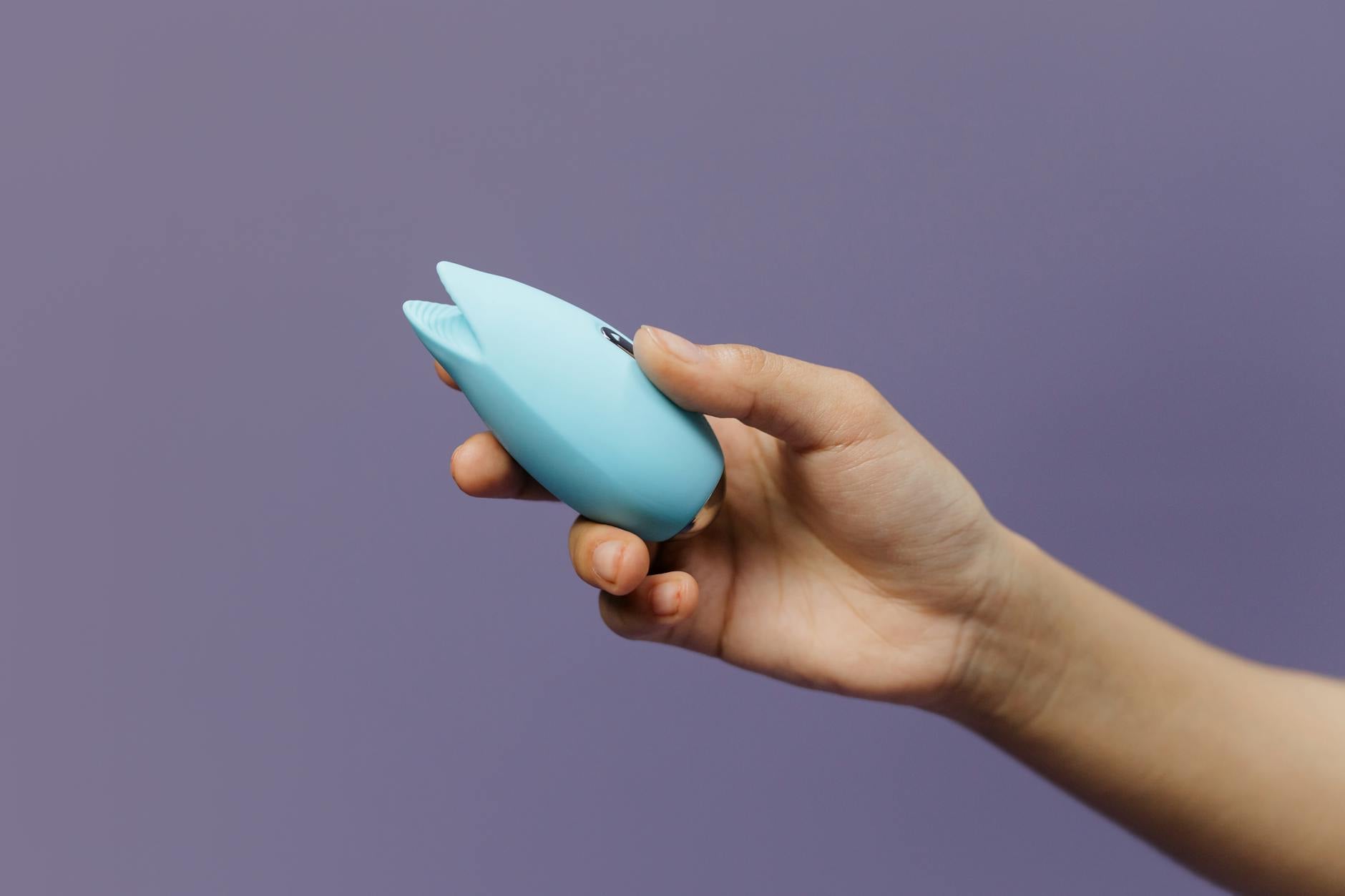
Let's name what's happening
You like this person. You do. But somewhere between the second date and now, sex started feeling like a performance review. Your body goes through the motions while your brain is three steps ahead, checking the clock, wondering if you're doing it right, calculating whether they're disappointed. That's not intimacy. That's anxiety wearing intimacy's skin.
Here's what I see in my practice: new relationship pressure isn't about not wanting your partner. It's about not trusting your own body in front of them yet. You've lost the thread between what feels good and what you think should feel good. That thread matters more than anything else.
The good news: lemon vibrators are specifically useful here because they give you back agency. They let you build confidence solo first, then bring that clarity into partnered time.
Why new relationships scramble your nervous system
Your brain is doing something clever and annoying. It's trying to predict what your new partner wants, then trying to deliver it, then monitoring whether the delivery was correct. All while you're supposed to be experiencing pleasure. That's not a bug. That's your attachment system in overdrive.
Physiologically, arousal requires a quiet nervous system. Stress hormones like cortisol and adrenaline literally suppress the arousal cascade. When you're performing for someone new, your body's stuck in a low-level fight-or-flight state. Blood isn't flowing where it needs to. Orgasm feels distant or impossible. Then you panic that something's wrong with you or the relationship.
None of that is true. Your body is just protecting itself.
The solo practice that changes everything
Before you even think about using a lemon clitoral vibrator with your partner, you need to remember what it feels like alone. Not performance practice. Not homework. Actual pleasure with zero audience and zero judgment.
Set 20 minutes aside when you're fully alone. No phone. No half-attention. Use a lemon vibrator on its lowest setting and spend the first 10 minutes just getting curious. What patterns feel good? What rhythm? Does your body prefer sustained suction or pulses? Does it want you to move the toy or stay still?
Here's the critical part: don't chase the orgasm. You're not trying to come. You're gathering data about yourself. This resets the nervous system because there's zero pressure and zero audience. Your brain relaxes. Blood flow normalizes. You remember that pleasure lives in your body independent of whether someone's watching.
Most people find their nervous system settles noticeably after 2-3 solo sessions. That's not coincidence. You're rebuilding trust in yourself.
Bringing the tool into partnered sex without making it weird
There's a specific way to introduce a lemon vibrator into early partnered intimacy without it feeling like a confession or a sign something's broken.
The opener matters: "I've been enjoying exploring what I like solo, and I want you to see what makes me feel good." That's inviting. It's not "I need this because you're not enough." It's "Here's something I'm excited about and I want to share it."
Start with the toy during foreplay, not as a replacement for penetration. Let your partner watch. Let them touch you while you're using it. Most partners find this deeply hot because they get to see exactly what works, and you're relaxed enough to show them.
Keep the pressure off the end result. You're not trying to orgasm on a timeline. You're teaching your nervous system that your partner is safe, that you can be present, that pleasure is collaborative instead of performative. Orgasm might happen. It might not. Either way, the real win is that your body unclenched.
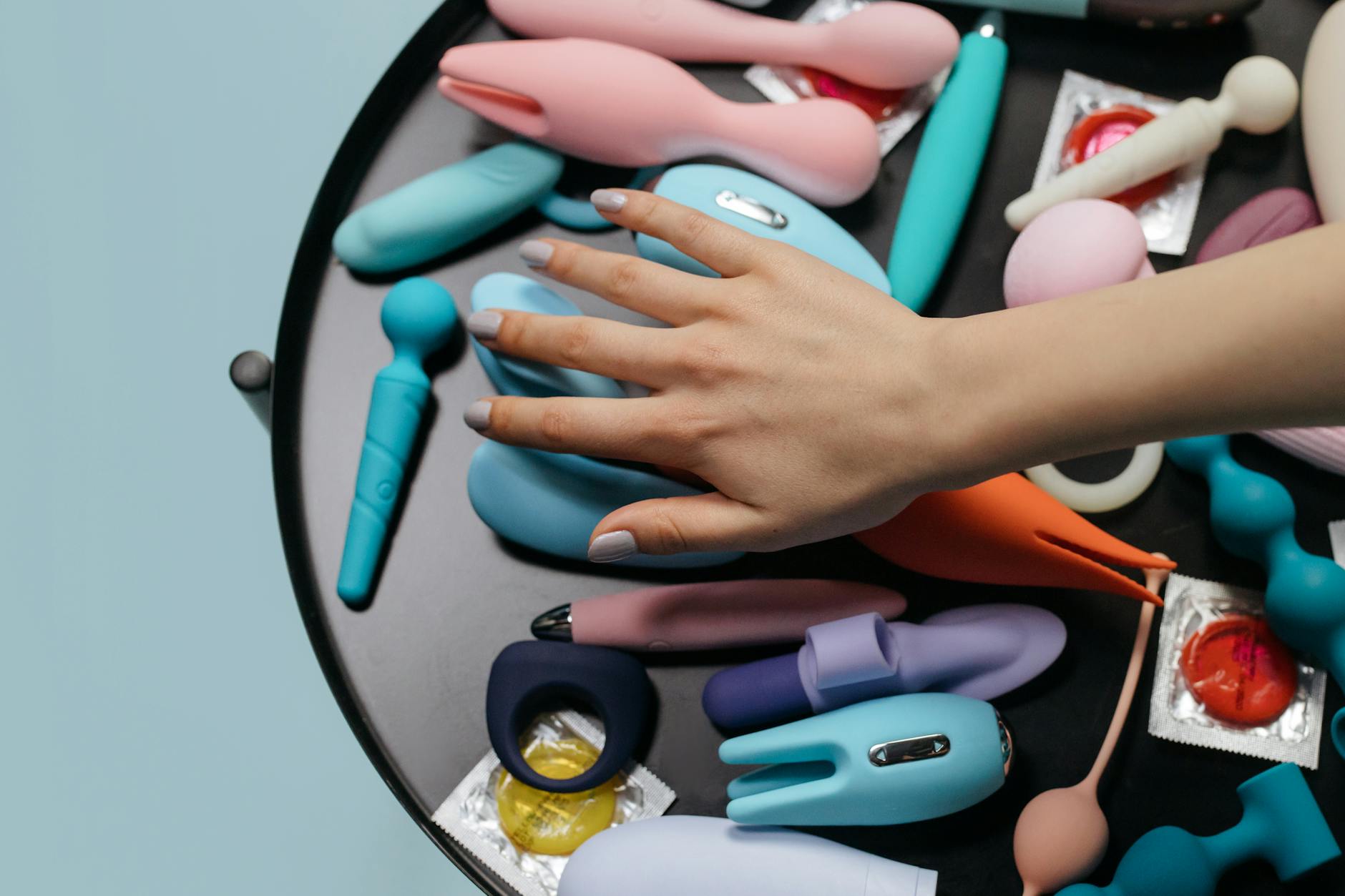
Photo by cottonbro studio on Pexels
When to use it solo vs. together
There's a useful rhythm here. Odd nights or mornings, you use your lemon vibrator alone. You're rebuilding your baseline. Even nights or mornings, you're together. You bring that calm into the shared space.
This isn't rigid. But the ratio matters. Three solo sessions for every two partnered ones works for most people in early relationships. You're slowly shifting the ratio as trust builds. By month three or four, if things are working, you might be mostly partnered time with occasional solo check-ins.
The solo practice never goes away entirely, though. You maintain it because it's about maintaining a relationship with your own body independent of your partner. That's not competition. That's the foundation.
Why lemon vibrators work better than penetration for this specific issue
Clitoral vibrators like those made by Try Lemon Sex Toys are particularly useful for anxiety-driven pressure because they're low-stakes and high-clarity. You can feel exactly what's happening. The sensation is direct and reliable. There's no fumbling, no wondering if angle matters, no performance narrative.
Penetration adds sensory layers that can feel overwhelming when you're already nervous. A lemon clitoral vibrator removes variables. It tells your nervous system: "This is simple. This is knowable. You're safe."
Many of my clients report that once they rebuild trust through solo and early partnered use of a clitoral vibrator, penetration stops feeling like an obligation and starts feeling like a choice. That shift alone changes the dynamic of the entire relationship.
The conversation you actually need to have
If your partner is making you feel weird about using a vibrator, that's data. Not a reason to hide it. A reason to notice that something about how they're wired doesn't match something about how you need to work.
A good partner wants you to feel good. They're not threatened by a toy because the tool isn't in competition with them. You're not choosing the vibrator over them. You're choosing your own nervous system's health. Those two things are aligned.
If you're hiding a lemon vibrator because you're afraid of judgment, ask yourself why that fear exists. It often points to a deeper misalignment about how much safety you actually feel. That's not something a vibrator fixes. But it's worth noticing.
The timeline nobody talks about
Trust in a new relationship builds slowly. Three months is usually the minimum for your nervous system to stop running threat-detection mode around a new partner. Six months is when many people report that sex actually starts feeling like genuine intimacy instead of negotiated contact.
Don't rush this. Using lemon sexual toys during this phase isn't about speeding up trust. It's about supporting your nervous system while trust naturally develops. You're not trying to fake intimacy faster. You're creating conditions where real intimacy can eventually land.
Some relationships move faster. Some move slower. The people who have the easiest time are the ones who don't pressure themselves to feel close on an external timeline. They just keep showing up, building incrementally, and letting their body tell them when it's ready.
Knowing when you're actually ready for deeper intimacy
You'll know your nervous system has settled because sex will stop feeling like a performance review. You'll be able to lose focus for stretches. You'll find yourself thinking about sensation instead of how you look. Your partner will feel less like an audience and more like a collaborator.
This usually coincides with the shift in how often you want to use a vibrator. Early on, solo practice and partnered use of a lemon clitoral vibrator is the container that works. As trust builds, you might find yourself reaching for it less, or using it differently, or wanting to explore other things entirely. That's not regression. That's your body saying it feels safer.
The final marker: you can talk about what you like without shame. You can ask for what you want. You can say no without guilt. If you can do those things, the forced feeling is gone. What's underneath is actually there.
Frequently asked questions
How long before I stop feeling anxious during partnered sex?
For most people, 8-12 weeks of consistent practice. That includes solo time with a lemon vibrator and regular partnered intimacy. The key is regularity over intensity. Two calm 20-minute sessions beat one pressured hour. Your nervous system needs predictability to reset.
Is it normal to orgasm alone but not with a partner early on?
Completely normal. Different nervous system state. Alone, you're safe. With someone new, your threat-detection is higher, even if you like them. A lemon clitoral vibrator bridges that gap because it gives you something familiar and reliable to focus on. Over time, your partner becomes that reliable thing too.
What if my partner wants to use the vibrator on me but I'm not ready?
That's fine. Keep the early phase about you controlling the tool. Your partner watching you explore yourself is intimacy. Them using it on you is a later conversation. You set the timeline. No exceptions.
Should I be using lube with a vibrator?
Yes, always. Water-based lube makes everything feel better and removes friction that can distract your nervous system. It's not about something being broken. It's about removing obstacles to relaxation.
Does using a vibrator during new relationship anxiety mean something's wrong with me?
No. It means you're smart. You're using a tool to support your nervous system while trust builds. That's self-awareness, not dysfunction. Most people just white-knuckle through the anxiety and never get to actual intimacy. You're choosing differently.
How do I know if this is normal new relationship jitters or a deeper compatibility issue?
Watch what happens after you've done the solo work for 4-6 weeks. If your nervous system settles and intimacy starts feeling more collaborative, it's jitters. If nothing changes and your partner still makes you feel anxious or watched, that's data about fit. Trust that too.
The bottom line
Forceful intimacy is a sign that something in your nervous system isn't ready yet. That's not broken. That's honest feedback. Lemon vibrators help because they let you rebuild confidence in your body's own feedback loop before you're trying to manage someone else's presence at the same time.
The real work isn't about the toy. It's about creating enough safety that you can actually feel pleasure again. The toy is just the container that makes that possible. If you want to dig deeper into how to have this conversation with your partner or explore what's underneath the anxiety, reach out to us at Try Lemon Sex Toys. We're here.