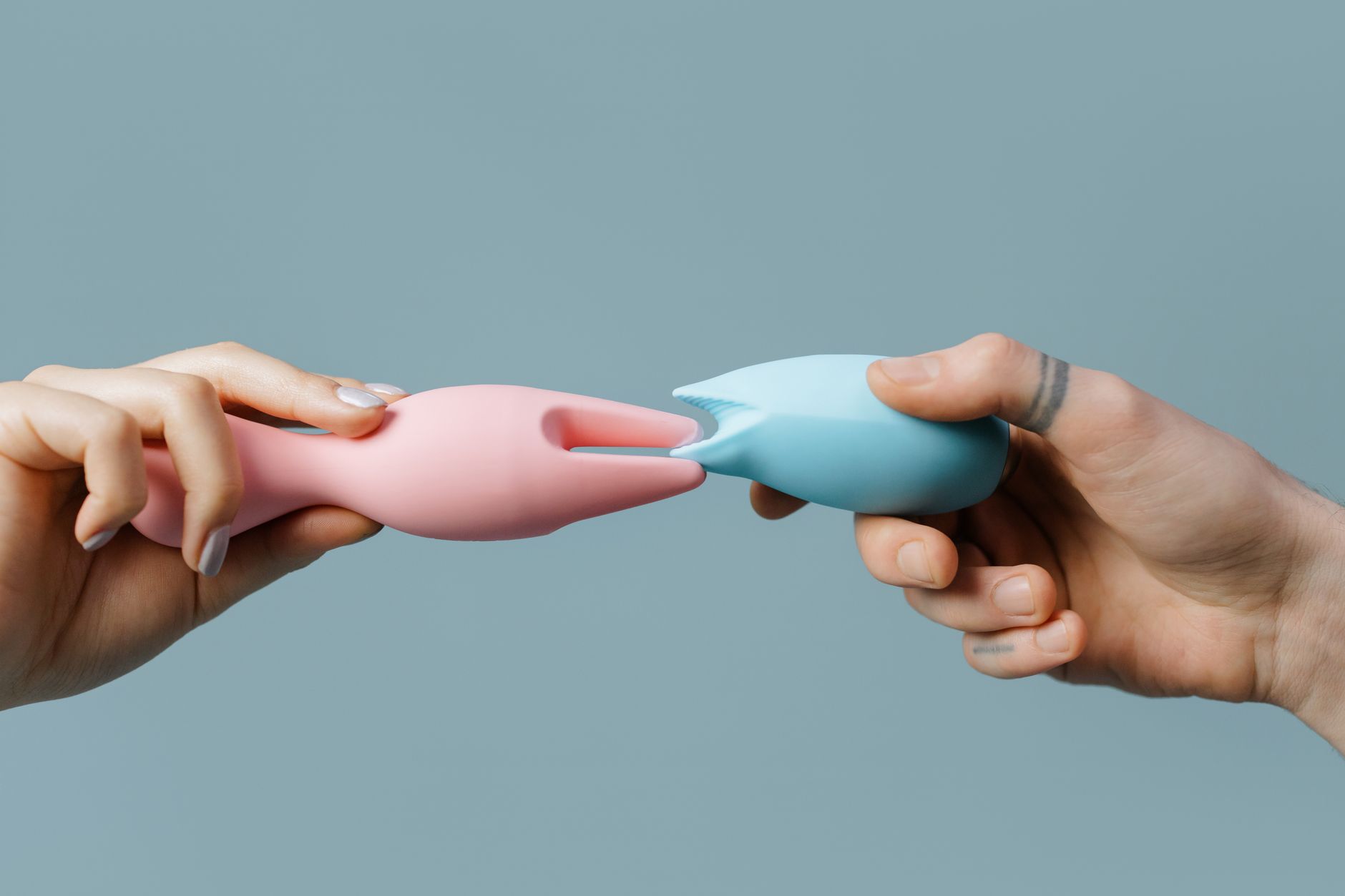
When pleasure goes numb
You're in the moment. Everything feels like it should work. And then nothing. The sensation flatlines. It's like your body checked out without asking permission. Numbness during arousal is one of the most maddening blocks because it feels physical (which it often is) but also psychological (because anticipation matters), and you can't quite separate the two.
Here's what I want you to know first: this is fixable. It's also more common than you think. Numbness isn't a character flaw or a sign that your capacity for pleasure is broken. It's usually information. And once you decode what's causing it, lemon vibrators and other targeted tools become genuinely useful again.
Why numbness happens during arousal
There are five main culprits, and most people cycle through a few.
Nerve compression. If you've been in the same position for a while, or if you're tensing muscles in anticipation, you can literally cut off blood flow to the nerves that transmit sensation. The clitoris has a surprisingly dense network of nerve endings, and they're sensitive to pressure in ways that feel counterintuitive. Light touch wakes them up. Dead weight kills them.
Anxiety and overthinking. This one sneaks up on people. You start worrying whether you're going to feel it, and your nervous system responds by shutting down sensation as a protective move. Your brain is trying to save you from disappointment, but it's saving you straight into numbness instead.
Medication side effects. SSRIs, some antipsychotics, and certain blood pressure medications can dampen sensation. So can some birth control formulations, though the relationship is complex and varies wildly person to person. If you started something new and numbness followed, that's worth discussing with your doctor.
Hormonal fluctuations. Estrogen and testosterone both affect nerve sensitivity. If you're in a low-hormone phase of your cycle, or if you've recently had hormonal shifts (postpartum, perimenopause, menopause), your baseline sensitivity can drop noticeably. This doesn't mean it's permanent. It means it's cyclical or manageable with the right approach.
Desensitization from repetitive stimulation. If you've been using the same toy at the same intensity for a long time, your nerves basically get bored. They stop responding as readily. This is why changing patterns, switching devices, or taking breaks can feel restorative. Your nervous system needs novelty to stay engaged.
The reset: why lemon clitoral vibrators help
Lemon vibrators, specifically air-suction devices like the Lem, work differently than traditional vibrators, and that difference matters for numbness.
Instead of direct mechanical vibration, suction stimulates nerves through a gentler, broader pressure wave. This accomplishes three things simultaneously:
First, it wakes up nerves that have gone quiet without overwhelming them. The sensation is different enough from whatever you've been using that your nervous system perks up and pays attention.
Second, it creates a rhythm that your body can sync with. Numbness often happens when stimulation feels random or mismatched to your arousal level. Suction has a clear pulse. Your body learns to anticipate it, and anticipation is the opposite of numbness.
Third, it doesn't require the same direct pressure as a traditional vibrator. If compression was part of your numbness problem, switching to a lemon sucker means you can explore sensation without the physical block.
The practical reset: getting sensation back
Three specific moves that work repeatedly.
First: take a break. Not forever. Three to seven days. I know this sounds counterintuitive when you're desperate to feel pleasure again, but brief abstinence is one of the fastest resets for desensitized nerve endings. Your body genuinely does reset. This is neurology, not punishment.
Second: start with The Lem at the lowest setting. Pattern 1 or 2. Place it directly over the clitoris and don't move. Let your body adjust to the sensation before you change anything. Spend at least 5-10 minutes here. The goal isn't orgasm. The goal is to reestablish baseline sensation. That feels weird and meditative and sometimes surprisingly powerful.
Third: layer in movement only after sensation returns. Once you feel something consistent, you can start exploring different patterns and pressures. But fight the urge to rush into what used to work. Your body is learning a new language right now.
Mental reset: addressing the anxiety loop
If your numbness started with stress or worry, the physical reset alone won't stick without addressing what's happening between your ears.
Honestly, the single most useful thing I recommend is removing the performance pressure entirely. Stop trying to have an orgasm. Seriously. Tell yourself and your partner (if relevant) that for the next week or two, the goal is sensation exploration, not a destination. You're gathering data, not pursuing an outcome.
Low-stakes touching feels paradoxically easier. Without the pressure to respond in a certain way, your nervous system actually relaxes and sensation flows back in. This is counterintuitive but it works.
If you're in a relationship, your partner needs to understand that numbness isn't about them. It's not a reflection of attraction or desire. It's a physical signal that needs a physical and psychological adjustment. Having that conversation removes the second layer of anxiety that makes numbness stick around.
When you need professional help
If numbness is brand new and came on suddenly, check in with your doctor. There are conditions (diabetes, certain neuropathies, hormonal imbalances) that can cause this, and they're usually very treatable once identified.
If it's tied to a specific medication, ask your prescriber about alternatives. Switching even one ingredient can unlock sensation again.
If anxiety is the root and you're struggling to break the loop alone, a therapist who specializes in sexual health is genuinely worth the investment. This isn't a failure on your part. It's using the right tool for the job.
The pattern that comes after
Once sensation comes back (and it will), keep a few things in place. Vary your tools. Alternate between lemon vibrators, different patterns, and sometimes just touch. Rotate them so your nervous system stays engaged rather than habituating to one specific stimulus.
Pay attention to what feels different between your cycle phases or seasons or stress levels. You'll start noticing patterns. High stress makes sensation duller. Certain foods or hydration levels affect it. Your cycle definitely does. Knowledge here becomes power. You stop being surprised by numbness and start preparing for it.
And here's the thing nobody tells you: rebuilding sensation often leads to discovering new forms of pleasure. Because you're slowing down, paying attention, and trying things differently, you frequently end up in a better place than before the numbness started. It feels weird to say that blockage becomes an opening, but it often does.
People also ask
Why do lemon clitoral vibrators work better than regular vibrators for numbness?
Lemon vibrators use air-suction technology instead of traditional vibration. This creates a broader, gentler stimulation that doesn't rely on direct mechanical pressure. For people experiencing numbness, this different sensation pattern often wakes up nerve endings that have gone quiet. The stimulus is novel enough that your nervous system re-engages. Plus, suction doesn't require the same sustained pressure as a standard vibrator, which helps if compression was contributing to your numbness.
Can numbness during sex be a sign of something serious?
Sometimes, but usually not. Sudden, complete numbness in one area can signal nerve compression or, less commonly, a neurological condition worth checking out with a doctor. Numbness that develops gradually or comes and goes with stress, hormones, or medication is usually manageable. The key question: did it start after a specific life event, medication change, or relationship shift? If yes, it's likely fixable without invasive intervention. If it appeared from nowhere, get it checked.
How long does it take to regain sensation after taking a break?
Most people notice a shift within three to five days of abstinence. True restoration often takes one to two weeks. But here's what matters: you'll usually feel some return of baseline sensation very quickly, which is encouraging. That early improvement often motivates the patience needed for full sensitivity to come back. If nothing shifts after three weeks, that's when you loop in a doctor or therapist.
Should I tell my partner about numbness before trying to fix it?
Yes, if you're partnered. Not because you're doing anything wrong, but because your partner might interpret numbness as lack of interest in them. Having a simple, straightforward conversation removes that assumption and actually strengthens intimacy. You can say something like: "My body's being weird right now and needs some recalibration. I'm going to try some different approaches. It has nothing to do with attraction." Most partners find that refreshing honesty way better than confused silence.
Can hormonal birth control cause numbness that lasts?
It can cause temporary sensation changes, especially in the first few months. If your numbness started right after starting or switching birth control, give it three months for your body to adjust. If numbness persists beyond that, ask your prescriber about alternatives. Different formulations affect people wildly differently. One that kills sensation for you might be fine for someone else. It's worth experimenting.
Why does anxiety make numbness worse?
Anxiety activates your nervous system's threat-response. When your brain perceives a threat (even the low-stakes threat of "what if I can't feel it?"), it essentially closes down non-essential functions like sexual pleasure. Your nervous system is trying to protect you by dimming sensation. Breaking the anxiety loop requires removing the pressure to perform, which usually means explicitly taking orgasm off the table as a goal for a little while.
What comes next
Numbness is frustrating, but it's not permanent. It responds to understanding, patience, and the right tools. Lemon vibrators, especially clitoral suction devices, often become the physical reset your body needs. Combined with a brief abstinence period and some mental shift around pressure, most people feel substantial improvement within two to three weeks.
Your body isn't broken. It's asking for something different. Listen to that signal, adjust your approach, and your pleasure usually comes roaring back. If you're stuck or sensation doesn't return after consistent effort, reach out to us. That's what we're here for.