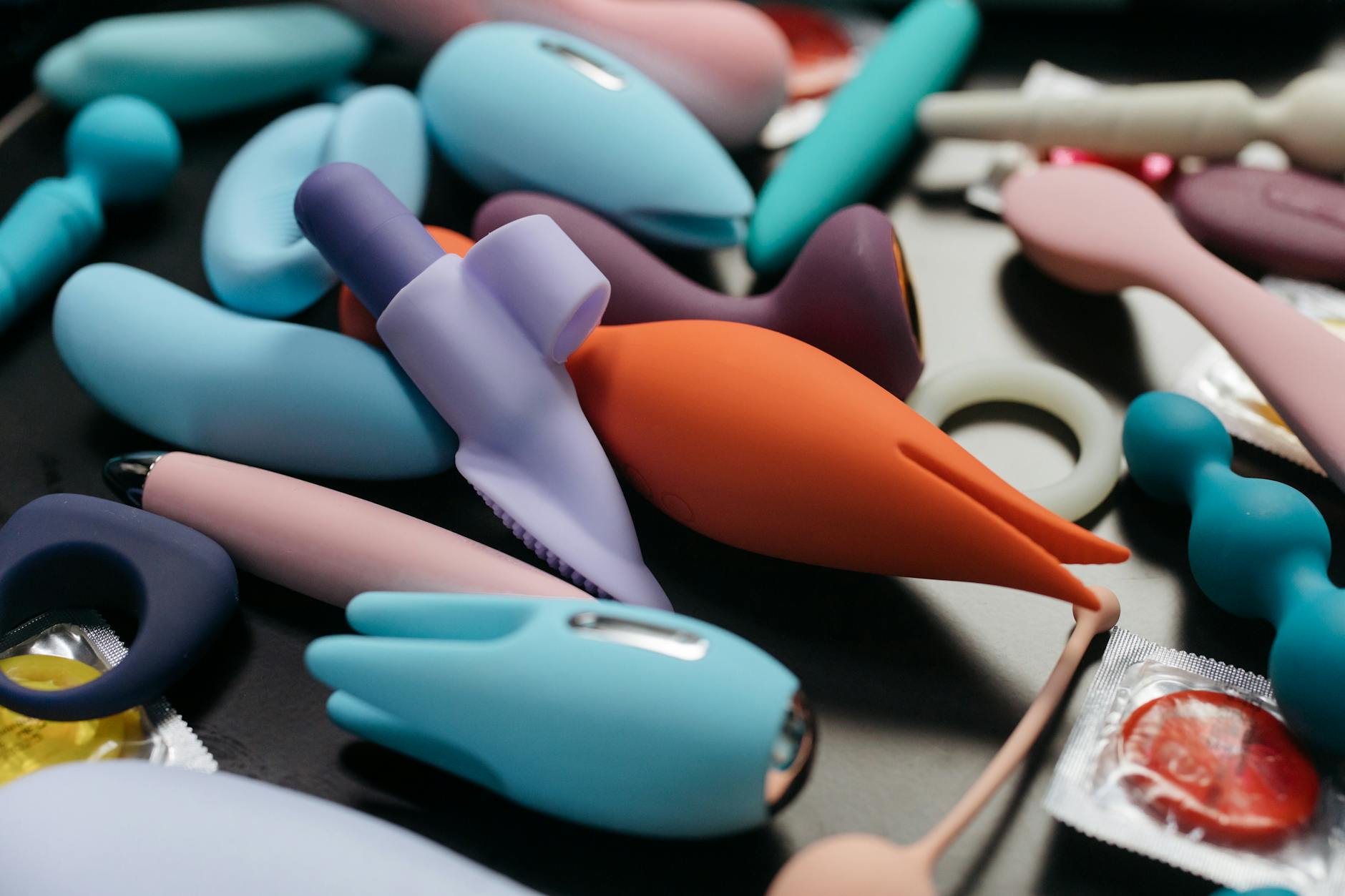
Pain during sex is more common than you think
Honestly though, most people assume painful sex means something is seriously wrong. It doesn't always. Pain during or after sex affects roughly one in four women at some point in their lives, and the causes range from simple (tension, dryness, positioning) to treatable (infections, hormonal shifts, pelvic floor dysfunction) to more complex (endometriosis, vaginismus, past trauma). The good news? Many of these respond really well to a different approach to pleasure, including how you use lemon clitoral vibrators.
The reason lemon vibrators matter here is mechanical. Air-suction technology doesn't require the same kind of penetration or internal pressure that traditional vibrators do, which means you can explore pleasure, build arousal, and reach orgasm without triggering pain that happens deeper inside. But before we get into the practical side, let's talk about what's actually happening.
What causes painful sex in the first place
There are three broad buckets here, and knowing which one you're in changes everything about how you approach pleasure.
Tension and pelvic floor issues. Your pelvic floor is a hammock of muscles that supports your bladder, uterus, and rectum. When you're stressed, anxious, or have a history of pain, these muscles tighten up defensively. This is called pelvic floor hypertonicity, and it can make penetration feel like hitting a wall. You can't relax muscles you don't know are tense, which is why many people think the problem is psychological when it's actually biomechanical. The clitoris, though, sits outside this tension zone, which is why clitoral stimulation with a lemon lem vibrator often feels completely different from penetrative pain.
Tissue changes and dryness. This shows up most after hormonal shifts (menopause, postpartum, certain medications like antidepressants and birth control), but it can happen at any age. Thinner tissue is more fragile and dries out faster. It's not that sex is impossible, it's that friction becomes painful. Air-suction stimulation from clitoral vibrators bypasses friction almost entirely.
Inflammation or underlying conditions. Endometriosis, vulvodynia, vaginismus, or infections like thrush cause real tissue pain. These need medical evaluation, not just a different vibrator. But while you're working with a specialist, learning what feels safe with a lemon sexual toy helps you stay connected to your body.
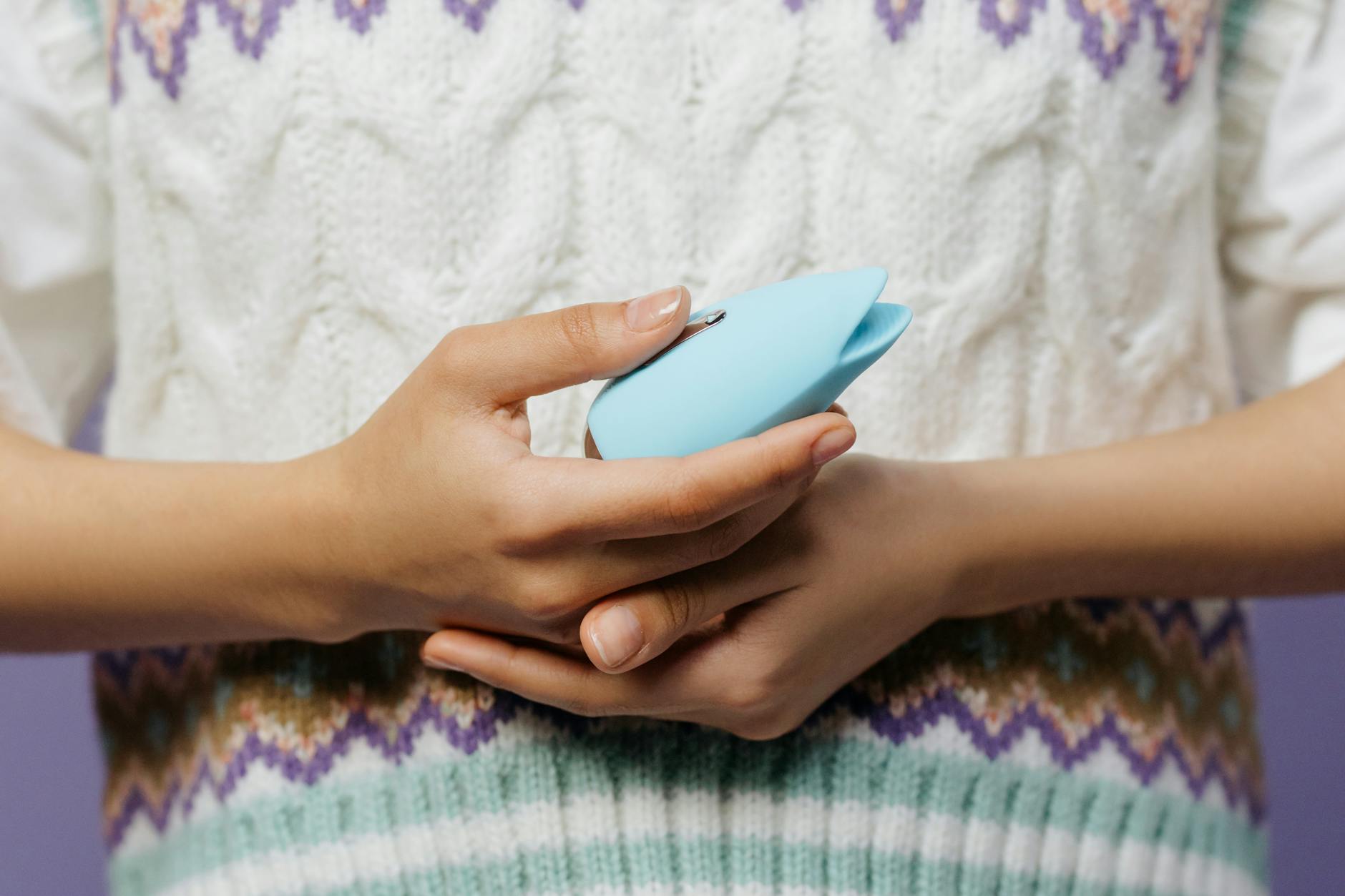
Photo by cottonbro studio on Pexels
Why lemon vibrators help when pain shows up
Let's separate pain during sex from pain after stimulation. If you're experiencing pain during pleasure, lemon clitoral vibrators work because they isolate stimulation to the external clitoris. The suction pattern doesn't create the friction or pressure that triggers internal pain, and you get full-body arousal and climax without any of the triggering sensations.
The lem vibrator's suction technology is particularly useful because it engages different nerve endings than traditional vibration. Instead of a buzzing sensation that requires the tissue to move against something, suction creates a gentle drawing sensation. For people with inflammation, sensitivity, or pelvic floor tension, this often feels significantly less intense and more controllable.
You also get something psychology researchers call "embodied safety." When you've had painful sex, your nervous system learns to anticipate pain. Your muscles clench before anything even happens. Using a lemon clitoral vibrator in ways that feel consistently good rewires that expectation. You're showing your body that pleasure can happen without pain, which gradually resets the defensive response.
The practical setup that matters
If pain is part of your sex life right now, here's how to use lemon adult toys in a way that builds confidence instead of triggering more fear.
Start with exploration, not goals. Forget orgasm for now. The point is to discover what sensations feel safe. Begin with the lowest intensity setting on your lem vibrator (usually pattern 1 or 2), and spend time just feeling how the suction works on different areas. Some people find the very tip of the clitoris is too sensitive, and the sensation feels better slightly to the side. Others prefer it lower on the clitoral body. This isn't something you'll know until you try.
Use lube even if you don't think you need it. Water-based lube creates a seal that makes air-suction vibrators more effective, plus it signals safety to your nervous system. It says "this is intentional, this is cared for," which matters when pain has taught your body to brace.
Time matters. Many people with pain during sex benefit from longer warm-up time. Spend 15-20 minutes on non-genital touch first. Massage, kissing, whatever feels low-pressure. Your clitoris will be more engaged and responsive by the time you introduce the lemon vibrator, which actually reduces the intensity needed to reach pleasure.
Control is non-negotiable. You hold the device. You set the pace. You stop immediately if anything feels painful (not just intense, but actually painful). This agency is huge for nervous system recovery after pain-triggered sex.
When pain means you need a specialist
Lemol clitoral vibrators and Try Lemon Sex Toys are wonderful tools for exploration, but they're not treatments. If you're experiencing sharp pain, burning, or pain that persists after sex, you need to see a gynecologist or pelvic health specialist. Some situations that require professional help:
Persistent vaginal or pelvic pain during or after arousal. This could be vulvodynia, endometriosis, or pelvic inflammatory disease, all of which need diagnosis and treatment.
Pain that's getting worse or spreading. If what started as discomfort during penetration is now painful just to touch, that's a sign something is escalating.
Pain tied to specific positions or times in your cycle. This pattern suggests endometriosis or hormonal triggers that a specialist can identify.
Pain after recent medical events. Post-surgery, post-miscarriage, or post-delivery pain needs professional evaluation to rule out complications.
A pelvic floor physical therapist is especially valuable because they can teach you how to actually relax those defensive pelvic floor muscles. Once you know how to release that tension, pleasure becomes possible again. Many people find that combining pelvic floor therapy with exploration using lemon vibrators accelerates the healing process significantly.
Partnered pleasure when pain is part of the story
If you're with a partner, this conversation is delicate but crucial. Pain during sex often creates shame and distance. The partner feels responsible. You feel like you're letting them down. Both of you stop trying, and intimacy contracts.
The reframe: using a lemon clitoral vibrator together is not "instead of" partnered sex, it's a new flavour of partnered pleasure. They can watch, touch you elsewhere, or use it on you themselves. You get the physical release and the connection. They get to be part of your pleasure again instead of associated with pain.
Talk about it outside the bedroom first. "I want to explore pleasure in ways that feel safe for my body right now. Would you be interested in that with me?" Most partners appreciate the honesty and the invitation.
The recovery timeline is real
If pain has been shutting down your sex life, relearning pleasure takes time. Nervous systems don't flip switches overnight. You might spend a few weeks just using a lemon suction vibrator solo, enjoying sensations without any goal. Then maybe your partner touches you while you use it. Then maybe you try something slightly more adventurous. This gradual approach feels slow when you're eager to get back to normal sex, but it's how lasting change actually happens.
Most people notice a real shift within 4-8 weeks of consistent, low-pressure exploration. Pain diminishes. Arousal comes faster. Pleasure deepens. And often, partnered sex becomes possible again, sometimes better than before because you both understand your body differently now.
Questions people actually ask
Can I use a lemon vibrator if I have endometriosis?
Yes, because endometriosis pain is typically deeper, during or after penetration. Clitoral stimulation with a lem vibrator is external and doesn't trigger the internal inflammation. That said, chat with your gynaecologist about your pain patterns so you both understand what's triggering it. Some people with endometriosis find that certain positions or times in their cycle are more comfortable for clitoral pleasure.
Does pain mean I'm not aroused enough?
No. Pain is not a sign of low arousal. Pain is usually a sign of tension, tissue issues, inflammation, or sometimes a medical condition. Arousal and pain exist independently. You can be wildly turned on and still experience pain because your pelvic floor is braced, or your tissue is inflamed, or your nervous system learned to tighten defensively. That's exactly why using a lemon clitoral vibrator works so well. You're separating the arousal response from the pain response and rewiring them.
Is it normal for pain to get worse before it gets better?
No. If you're exploring with a lem vibrator and pain is increasing, stop and see a specialist. The goal is to find sensations that feel good or at least neutral. Anything beyond mild intensity that feels wrong is your body saying "not this." Listen to it.
Will pain during sex always mean I can't have penetrative sex?
Not necessarily. Many people with a history of painful sex regain comfortable penetration once they've identified the cause and addressed it, whether that's pelvic floor therapy, hormonal treatment, or working through trauma responses. The timeline and path are individual, but pain is not usually permanent.
Can my partner hurt me with a lemon vibrator if they're using it?
Unlikely, because air-suction technology is gentler than most alternatives. But communication is essential. Set a signal for "that intensity is too much" before you start. Your partner should always follow your feedback immediately. If you're learning to use a lem vibrator together after pain has been part of your relationship, go slower than you think you need to.
Do I need to treat the pain before I can use lemon vibrators?
Not always. For tension-based pain or mild discomfort, using a clitoral vibrator is part of the treatment because it retrains your nervous system. But if your pain is from inflammation or infection, getting that addressed first makes the experience better. You're not waiting passively, though. You're using this time to explore sensations that feel safe.
Pain doesn't have to be the end of your sexual story. It's often a signal that your body needs a different approach, better support, or professional help. Lemon vibrators are one tool for rediscovering pleasure when pain has taken it away. The real power is yours: the permission to explore at your own pace, in your own way, without rushing toward anything that feels unsafe. If you're navigating this right now, that's brave work. Your pleasure matters, and you deserve to feel good again.
If you'd like to talk through your specific situation or get more personalized guidance, we're here to help. Reach out.