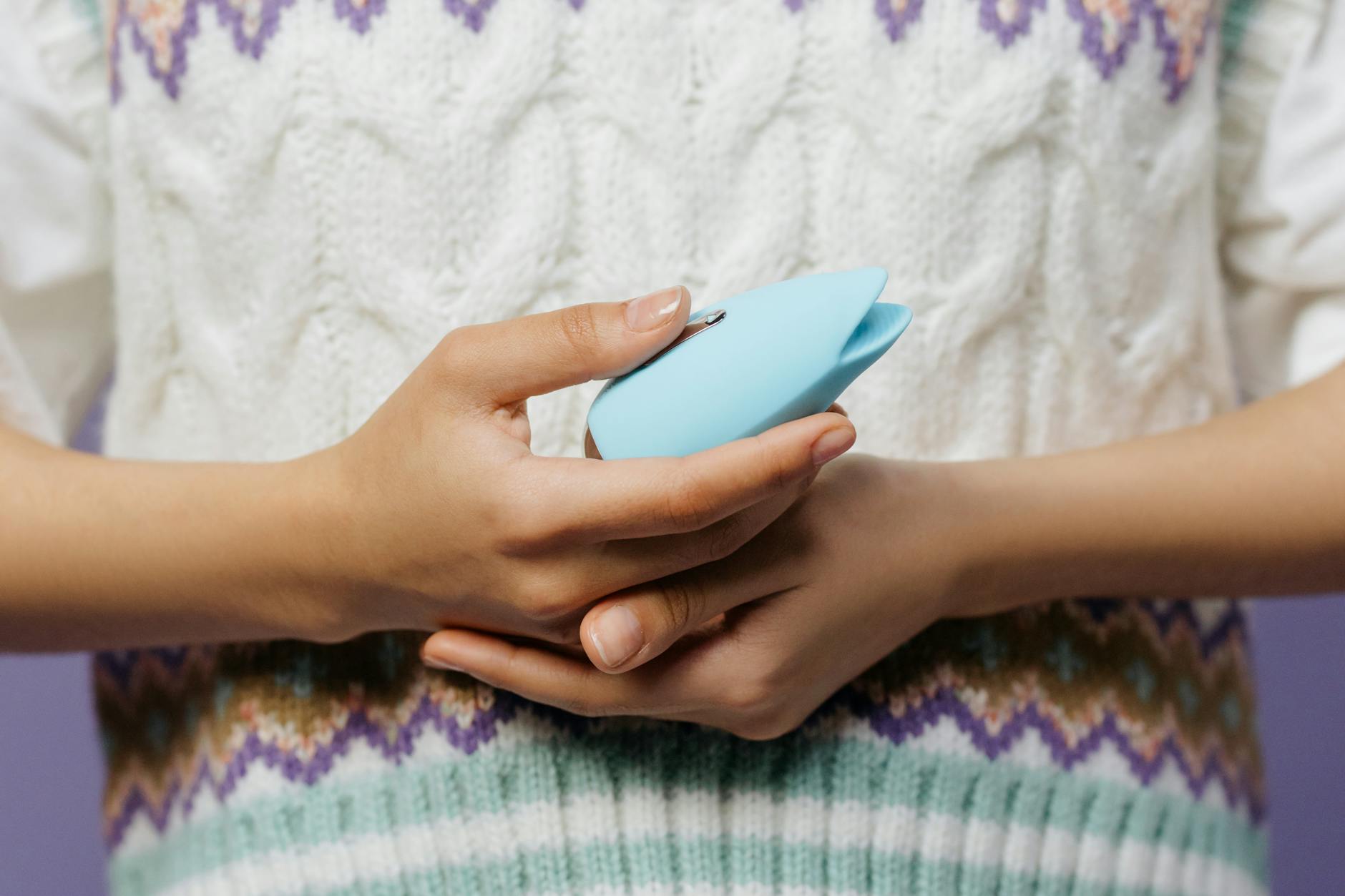
Let's talk about the disconnect
You had a fight. Or maybe just a long stretch where you weren't quite touching, weren't quite talking, weren't quite there. Now you want to reconnect physically, but the thought of starting from zero feels loaded. That's where a lot of couples get stuck. They assume physical reconnection has to mean jumping straight back into sex, or they avoid it entirely out of shame or uncertainty.
Here's what I've learned working with couples through conflict and repair: using a lemon vibrator during reconnection isn't about replacing intimacy. It's about creating a structured, low-pressure entry point that lets both of you show up without the weight of "making it work." It's honest, it's intentional, and it works.
Why physical reconnection is harder after conflict
When there's been distance or hurt, your nervous system doesn't just flip back on. Trust rebuilds in layers, and touch is one of those layers. Your body remembers the distance even when your mind is ready to move forward. That gap between what you want to feel and what you actually feel is real, and it's worth naming.
Clitoral vibrators like the Lem work particularly well for post-conflict reconnection because they shift the focus away from performance and toward sensation. There's less pressure to "get there," less comparing of arousal levels, and more room for each person to actually pay attention to what their body needs in that moment. The vibrator becomes a tool for honesty instead of a shortcut.
The framework for rebuilding together
Start with conversation, not touch. Before you even think about using a lemon vibrator, talk about what happened and what you both need to feel safe again. This isn't therapy-speak. It's basic: "I want to reconnect, and I need to know you're actually here," or "I'm nervous this will feel weird now." Speaking it out loud takes the shame out of the room.
Set a specific intention. Don't say "let's have sex." Say "I want to spend 20 minutes together exploring pleasure without pressure to orgasm." Naming the time frame and the goal removes a lot of the ambiguity that makes reconnection awkward. You both know what you're signing up for.
Start clothed. This is underrated. Begin by using a clitoral vibrator over underwear or clothing. It removes the intensity of immediate nakedness while still creating sensation. Many couples find this the least threatening way to reengage physically. The vibrator is doing something concrete, and you're both focused on that instead of managing your own self-consciousness.
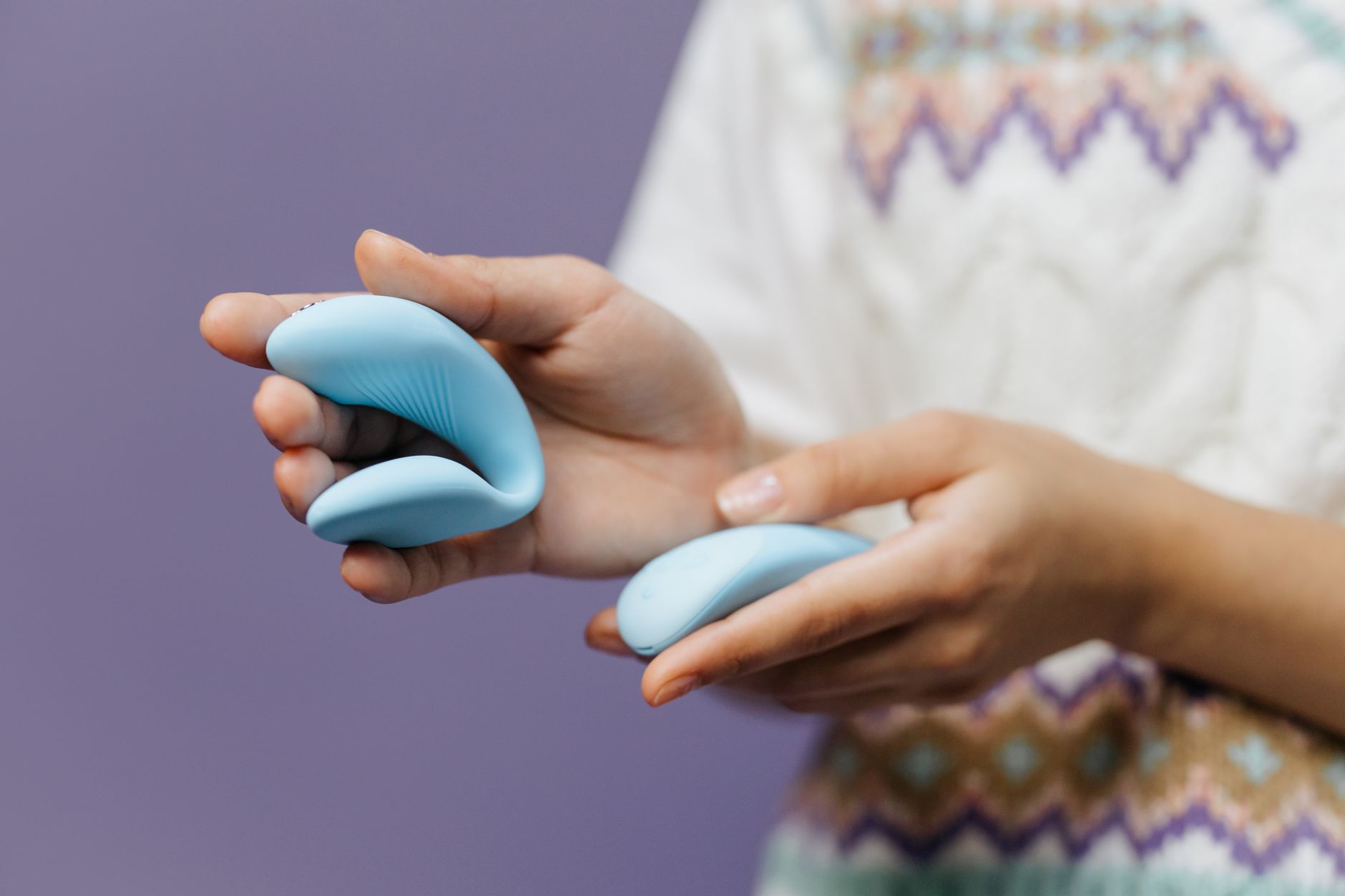
Photo by cottonbro studio on Pexels
How to use a lemon clitoral vibrator during reconnection
Let the receiving partner lead the pace. If you're using the vibrator on your partner, start at a lower intensity setting and check in: "Is this okay? Do you want me to move it?" The person receiving should feel empowered to say "higher," "lower," "pause," or "stop" without explanation. This builds trust back into the interaction because you're actively listening to each other's body instead of defaulting to old patterns.
Take turns if it helps. Using a lemon sucker or clitoral vibrator on each other, taking turns, can feel less vulnerable than being stimulated. The person using the vibrator is focused on their partner's pleasure, and that attention can feel healing after conflict. It also gives you both a chance to observe what's working without the pressure of simultaneous arousal.
Use lubrication even if you think you won't need it. After conflict or distance, arousal can take longer to build, and your body might need extra support. A good water-based lube reduces friction and makes the sensation smoother. This isn't a sign something's wrong. It's just physiology, and lube is a tool that helps.
Go slower than you normally would. Post-conflict arousal isn't the same as regular arousal. Your nervous system is still figuring out if it's safe to open up. Start at pattern one or two on your lemon vibrator and let sensation build gradually. Many couples rush this part and then feel disappointed when it doesn't feel like it used to. Slow is what reconnection requires.
What to do if it feels awkward
It will, at first. That's not a failure. Awkwardness is just unfamiliarity, and unfamiliarity after conflict is completely normal. Here's what helps: keep talking. If you're using a lemon clitoral vibrator and it feels weird, say so. "This feels different than I remember," or "I'm noticing I'm in my head right now" are both honest and they both move the conversation forward instead of letting silence become another wall between you.
If arousal doesn't build the way you expected, that's also fine. The goal of reconnection sex isn't orgasm. It's showing up, being present, and reestablishing a physical connection. Sometimes that happens through arousal, and sometimes it happens through tenderness or laughter or just lying together afterward and talking.
When to involve a lemon vibrator vs. when to skip it
Some couples find that using a clitoral vibrator feels too clinical after a fight. If that's you, that's valid. You might reconnect better through manual touch first, and introduce a vibrator once you're already in rhythm together. Other couples find that a vibrator takes the pressure off performance so much that they'd rather start there. Both approaches work. The vibrator is a tool, not a requirement.
One thing I will say: if one partner is hesitant about using a lemon vibrator during reconnection, don't push it. Forcing the tool creates resentment, and resentment is the opposite of repair. Go at the pace where both of you feel safe.
After reconnection: what comes next
Once you've rebuilt some physical safety with a clitoral vibrator, you're not done. Reconnection after conflict isn't a one-time event. It's a process that takes time and repetition. You might use a lemon sucker or Lem vibrator a few times, then move back to manual touch, then bring the vibrator back in later. That variation is actually really healthy. It keeps you both engaged and present instead of locked into one script.
Many couples I work with find that rebuilding physical intimacy after conflict actually strengthens their connection longer-term. You've both chosen to show up despite the difficulty. You've communicated about what you need. You've been vulnerable together. That's not nothing. A lemon vibrator is just the vehicle. The repair is the thing that matters.
FAQ
Can using a vibrator after a fight make things worse?
Not if you're both willing and you start slowly. The risk isn't the vibrator. It's jumping into physical intimacy before emotional safety is reestablished. Use the vibrator as part of a broader conversation about reconnection, not instead of one.
How soon after a serious conflict should we try to reconnect physically?
There's no universal timeline. Some couples need a few days, others need a few weeks. A good marker is when you've had at least one conversation about what happened and what each of you needs going forward. Physical reconnection without that conversation usually feels empty.
My partner is nervous about using clitoral vibrators. What do I do?
Start by asking why. Is it about the vibrator specifically, or about vulnerability in general right now? If they've never used one, watching you use one on yourself first can remove some of the mystique. Let them control when and how it happens. Pressure kills arousal.
Is it normal for orgasm to take longer or feel different after conflict?
Completely normal. Your nervous system is still recalibrating. Don't chase the orgasm. Focus on sensation and connection. Orgasm often follows when the pressure is off.
What if we try to reconnect and it doesn't feel good?
That's information. It might mean you need more time before physical reconnection, or it might mean there's something deeper that needs conversation first. Some couples benefit from working with a relationship therapist before trying physical reconnection after serious conflict. That's not a failure either.
Can we use a lemon vibrator if we're still angry with each other?
I'd suggest waiting. Genuine anger paired with physical intimacy often creates more distance instead of bridging it. Give yourself time to move from anger into hurt or sadness, which are the emotions that sit underneath anger. That's when physical reconnection becomes possible.
The real point
Reconnection after conflict isn't about proving you still have sex. It's about proving you still choose each other. A lemon vibrator can be part of that choice, but it's not the whole thing. The whole thing is showing up when it's hard, being honest about where you are, and building back toward each other one conversation and one gentle touch at a time.
If you're struggling to find your way back to physical intimacy after repeated conflict, that might be a sign to reach out to a relationship counselor. Reconnection is possible, but sometimes you need a little professional guidance to find the path. There's no shame in that.