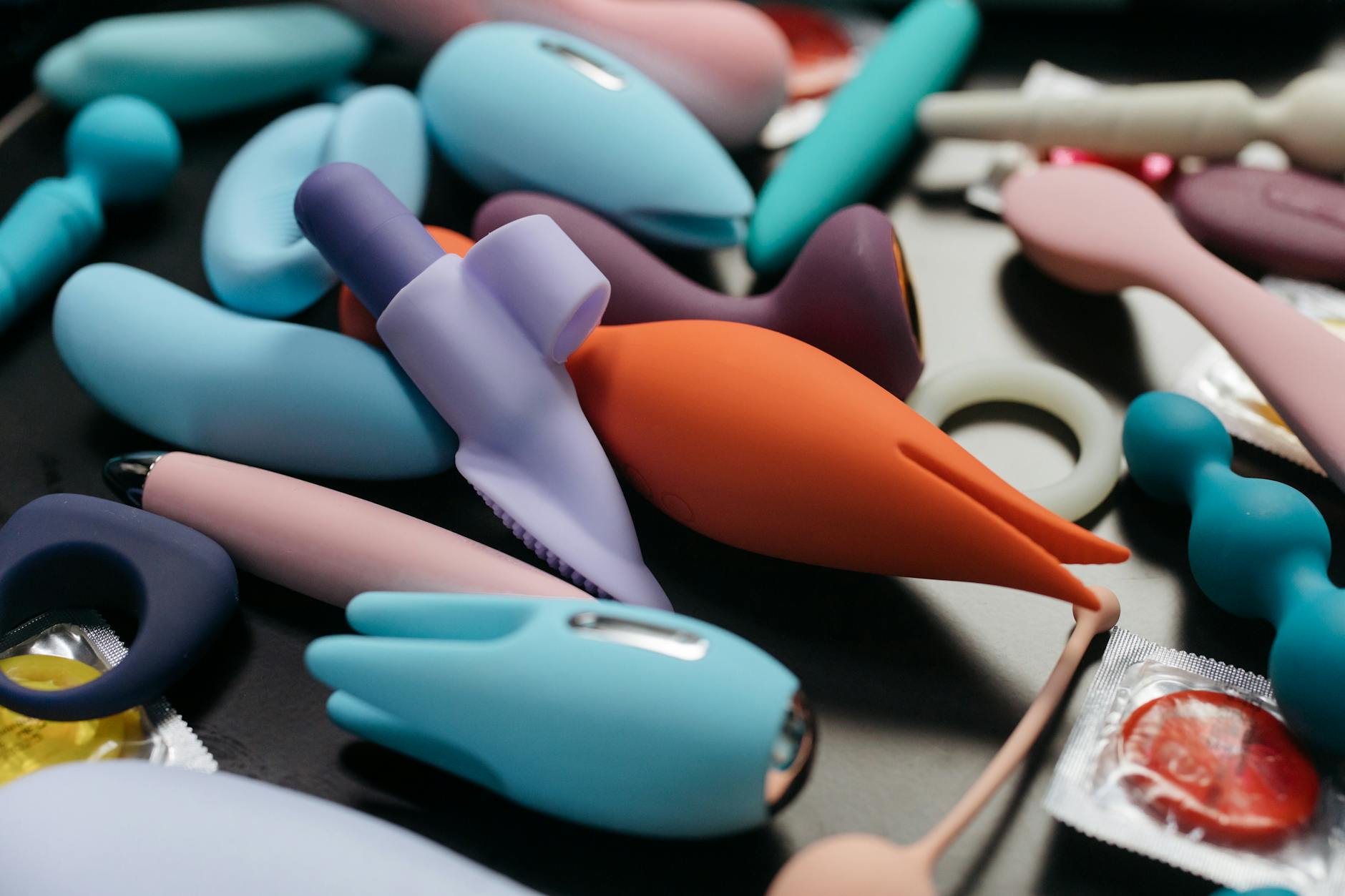
How to Use Lemon Vibrators When Sensitivity Changes With Age
Honestly, the conversation around aging and pleasure gets stuck on one boring note: everything gets worse. Your body slows down. Sensation dulls. Desire fades. Orgasms take longer. The story ends.
Here's what I've observed working with people over decades: that's only half true. Sensation does change with age. But change doesn't mean loss. It means different, and different often means better once you understand what's actually happening.
What actually happens to clitoral sensitivity over time
The clitoris doesn't age the way you've been told it does. The nerve density stays constant throughout your life. What changes is everything around it.
Estrogen levels drop, which makes the outer tissue thinner and less plump. Blood flow patterns shift. The pelvic floor loses some elasticity and muscle tone. Medications, stress, sleep changes, hormonal fluctuations, and even how much you use your clitoris all affect how responsive it feels in a given moment.
But here's the part nobody tells you: reduced sensitivity doesn't mean reduced pleasure. It means you need a different type of stimulation to access the same nerves.
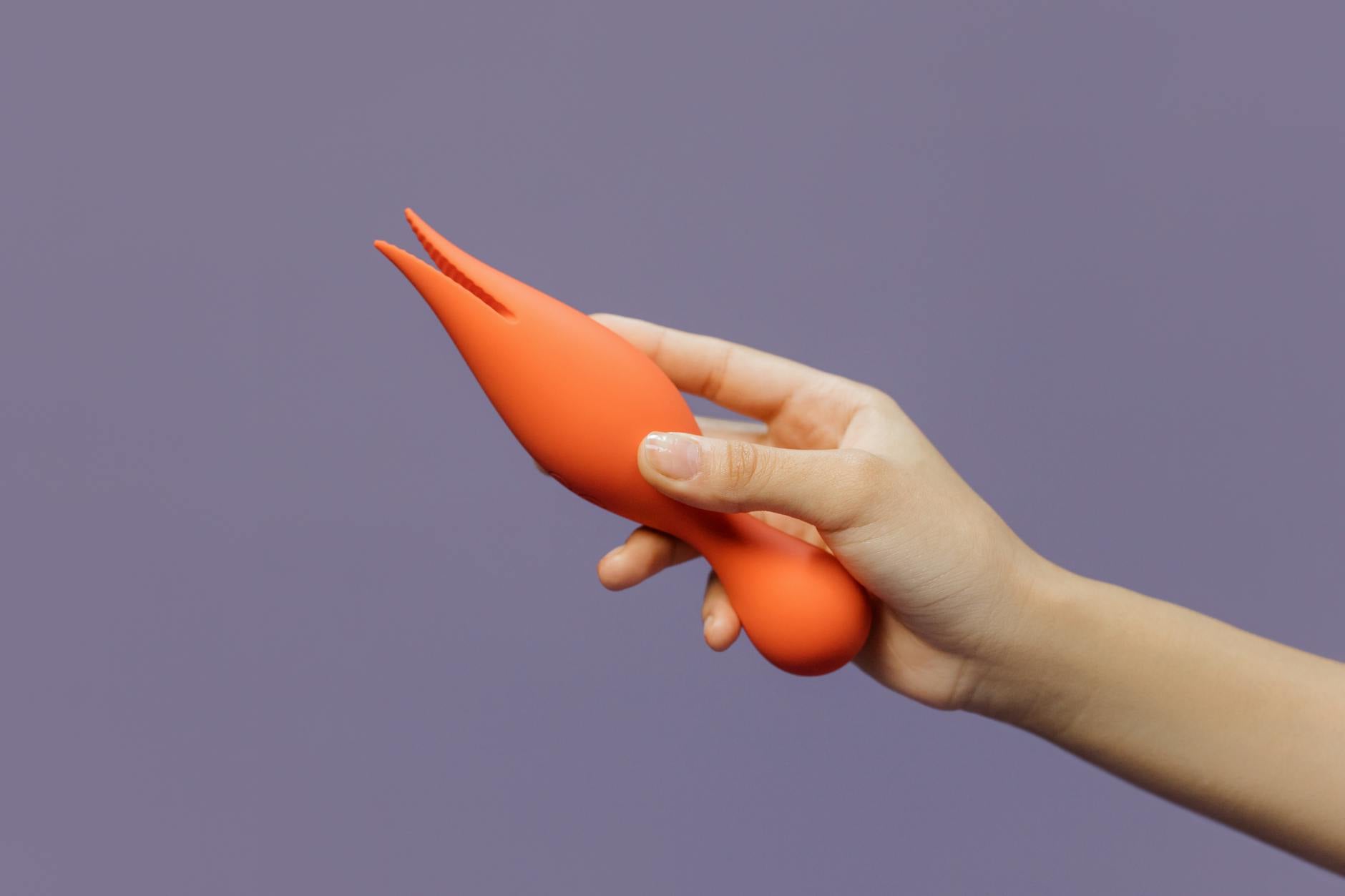
Photo by cottonbro studio on Pexels
Why traditional vibration stops working the same way
When sensitivity declines, direct vibration often feels too sharp or leaves sensation feeling numb. You need more intensity to feel it, which paradoxically can create fatigue instead of pleasure.
This is where suction-based toys like lemon clitoral vibrators become the smarter choice. Suction doesn't buzz against your tissue. It creates a gentle pulsing pressure that engages deeper nerve clusters instead of just the surface. As sensation shifts, this approach often feels more satisfying, not less.
Think of it like the difference between tapping someone's shoulder repeatedly and gently holding their hand. One is direct friction. The other is sustained pressure. Both reach the same nerves, but through a completely different pathway.
How to transition if vibration used to be your go-to
You don't have to abandon vibration entirely. You're just changing how you use it.
Start with lemon adult toys on their lowest setting. Let the suction work first before you increase any intensity. Many people discover they prefer patterns 2 or 3 for extended sessions, saving the higher intensities for shorter bursts when they want a quick climax.
If you've been relying on wand vibrators or traditional clitoral vibrators, give yourself permission to explore something different. Your body isn't broken. It's just signaling that its pleasure points have shifted, and that's completely workable.
The role of warm-up time
Sensitivity changes mean arousal takes longer to build. This isn't a downside. It's information.
Budget 20 to 30 minutes before using your lemon sucker, instead of jumping straight in. Build blood flow. Let your clitoris wake up gradually. Some people find that this slower ramp-up actually produces more intense orgasms because the buildup is deeper.
Your partner, if you have one, benefits from this too. Longer foreplay isn't a penalty. It's an invitation to be more present, more attentive, and more creative together.
Lubrication becomes more important, not optional
As tissues thin, water-based lube stops being optional. It's part of your setup now, same as turning on the toy.
Lubricant improves the glide of suction toys and reduces any drag or discomfort. It also increases sensation because your tissue isn't working overtime against friction. This is one of the easiest wins in your pleasure toolkit.
Apply lube to your clitoris and to the top of your lemon vibrator before starting. Reapply every 5 to 10 minutes during longer sessions. If you're using it with a partner, this becomes a sensual part of foreplay instead of a clinical step.
The pelvic floor connection nobody talks about
Clitoral sensitivity is wired directly to your pelvic floor. As that muscle loses tone with age, the feedback loop weakens.
This is actually an argument for gentle pelvic floor work, not intense Kegel exercises. Breathwork, slow stretching, and letting your pelvic floor relax fully during arousal can reawaken that connection. When your pelvic floor is tight and tense, your clitoris can't signal pleasure as clearly.
Try this: before using your lemon vibrator, spend 5 minutes lying down, breathing deeply, and consciously relaxing your pelvic floor. Imagine your breath traveling down through your center. You don't need to do anything. Just soften. Then start your toy. You'll likely feel a noticeable difference in sensation and response.
Medication and sensation changes
If you're on blood pressure medication, cholesterol medication, antidepressants, or hormonal therapies, these all affect blood flow and neural sensitivity.
This isn't a reason to avoid these medications. It's a reason to adjust your pleasure practice. Suction-based lemon sexual toys often work better in these contexts because they create their own stimulation pathway independent of baseline sensitivity.
If numbness or reduced sensation started after starting a new medication, that's worth a conversation with your doctor. Sometimes a dose adjustment or timing change can help. Other times, your toy strategy just needs to shift, and that's fine too.
The mental piece
Much of what feels like reduced sensitivity is actually just distraction and expectation.
We carry stories about what our bodies should do at different ages. When something doesn't match that story, we interpret it as loss instead of information. Your clitoris hasn't stopped responding. You're just receiving the response differently.
If you can sit with that shift without judging it, pleasure often deepens. Less of the frantic chasing. More of the actual feeling. This is why people often report more satisfying orgasms in their 40s, 50s, and 60s than they did in their 20s.
Practical setup for age-related sensitivity shifts
Here's what I recommend to people navigating this transition:
- Stock water-based lubricant. Buy it in bulk.
- Start with suction toys like the Lem vibrator. Test patterns 1 through 3 first.
- Extend your warm-up time. Make it intentional, not a chore.
- Use pelvic floor breathing before and during.
- Give yourself 4 to 6 weeks of consistent use before deciding if this works for you. Your body needs time to recalibrate.
- If you're with a partner, talk about what's changed. This isn't a failure. It's a doorway to deeper connection.
Sensitivity changes with age, yes. But it changes toward greater complexity and depth, not toward less pleasure. Your clitoris is still there. Still responsive. Still capable of extraordinary sensation. It's just speaking a new language now, and lemon clitoral vibrators are fluent in it.
People also ask
Do clitoral vibrators work if sensitivity has decreased?
Yes, but the type matters. Direct vibration can feel too intense or numb when sensitivity dulls. Suction-based vibrators like lemon vibrators work better because they engage deeper nerve clusters rather than just surface friction. Start on lower intensity settings and increase gradually.
Is reduced sensitivity during aging permanent?
No. Reduced sensitivity is often situational, not permanent. Stress, sleep, medication changes, hormonal fluctuations, and pelvic floor tension all affect momentary sensitivity. Long-term changes related to aging are also responsive to technique shifts, lubrication, extended warm-up time, and pelvic floor work. You're adapting your approach, not accepting permanent loss.
How much longer should warm-up be as sensitivity changes?
Most people find that extending warm-up from 5 to 10 minutes to 20 to 30 minutes makes a significant difference. This isn't a universal rule. Some need 15 minutes. Others benefit from 40. The point is listening to your body's timeline rather than pushing an old schedule that no longer serves you.
Does lubrication really help with age-related sensitivity shifts?
Yes. As tissue thins with age, lubrication reduces drag and improves the glide of any toy, including lemon sucker toys. It also increases sensation because your tissue isn't working against friction. Use water-based lube. Silicone lube can degrade silicone toys. Apply generously and reapply every 5 to 10 minutes.
Can pelvic floor exercises improve clitoral sensitivity?
Gentle pelvic floor work can help. Intense Kegels are often counterproductive because they increase tension, which actually dulls sensation. Focus on conscious relaxation, breathing, and gentle stretching. Tight pelvic floor muscles block the feedback loop between your clitoris and your nervous system. Relaxing them restores that connection.
What if medications are affecting my sensitivity?
Talk to your prescribing doctor first. Sometimes a dose adjustment or timing change helps. If medication adjustment isn't possible, shift your toy strategy. Suction toys often work better than vibration when medication affects blood flow or sensation. This is a workaround, not a defeat.
Sensitivity shifting with age is normal, expected, and entirely manageable. If you're noticing changes in how your clitoris responds, that's not a sign to give up pleasure. It's a sign to get curious about what works now. Many people find that lemon vibrators, paired with extended warm-up time and a willingness to explore, unlock pleasure they didn't have access to when they were younger. Your body isn't failing you. It's evolving. And that's worth paying attention to.
Have questions about navigating pleasure changes? Reach out to us. We're here to help you figure out what works for your body right now.