The real problem with rushed sex
Let's be real. Sex that feels hurried doesn't feel good, no matter how much you care about your partner. Your nervous system doesn't get the signal to relax. Your body doesn't have time to warm up properly. Your brain is half-watching the clock instead of being present. And the pressure to orgasm on someone else's timeline? That's basically a formula for feeling disconnected from your own pleasure.
Rushed intimacy is one of the most common complaints I hear in my practice, and it cuts across every relationship structure. Sometimes it's logistics. Sometimes it's mismatched desire or energy. Often it's unspoken expectations that one person feels obligated to perform on a schedule that doesn't work for their body.
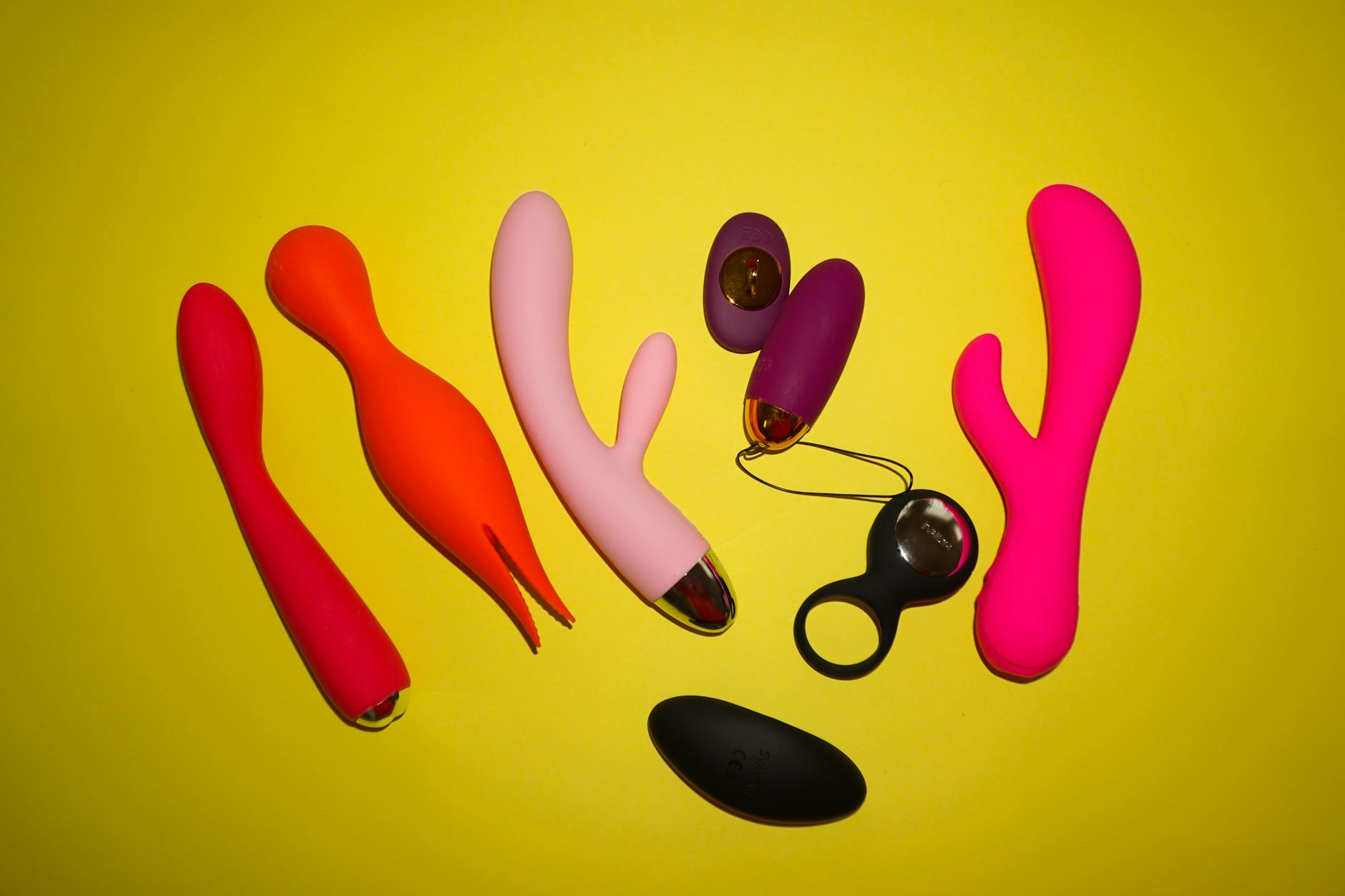
Here's what changes when you bring in a tool like a lemon vibrator. Suddenly you have agency. You set the pace. You can say "I need ten more minutes" without it becoming weird. Your partner isn't watching the clock either because they're not doing the heavy lifting. That shift alone can transform how intimacy feels.
Why pressure kills arousal (and what that means)
Your body doesn't lie. When you feel rushed or obligated, your nervous system stays in fight-or-flight. Blood doesn't flow where it needs to. Arousal is slow to build. And if you do reach orgasm, it often feels shallow or less satisfying because your whole being wasn't actually in it.
This isn't a personal failing. It's neurobiology. The parasympathetic nervous system (the one that handles arousal and relaxation) needs time to take the wheel from the sympathetic system (the stress one). Pressure does the opposite. It keeps you in survival mode.
When you use a lemon clitoral vibrator solo or during partnered sex, you're removing the emotional obligation piece. You're not waiting for your partner to figure out exactly what feels good. You're not timing your response to theirs. You're in control of intensity, rhythm, and pace. That control is genuinely calming. Your body understands it can relax.
Setting boundaries without the conversation going sideways
Most couples avoid talking about rushed sex because the conversation feels loaded. "You never take your time" sounds like blame. "I need more foreplay" can feel like rejection. So people don't say anything and just check out.
A lemon vibrator gives you a third option. You can introduce it as a positive addition, not a correction. "I want to try this together" is very different energy from "we need to fix how we're doing this."
Once it's part of your toolkit, it naturally slows things down. You're not going from zero to goal line anymore. You're in a different rhythm. And honestly? Most partners actually relax too when the pressure's off them to be the entire source of pleasure.
If your partner does resist or if communication feels stuck, that might be worth unpacking separately. But I've seen couples restart intimacy just by bringing in a tool that shifts the dynamic from performance to presence.
How to actually use a lemon vibrator when you need slowness
Solo first, always. Before you bring this into partnered sex, spend time with it alone. Learn what patterns feel good. Learn your own pace. This isn't selfish; it's the opposite. You're gathering real information about your body instead of guessing based on porn or magazines.
Start with a low pattern and sit with it. Most lemon clitoral vibrators have multiple settings. The temptation is to jump to high intensity. Instead, start at pattern one or two and stay there for five to ten minutes. Let your body respond. This retrains your nervous system that pleasure doesn't need to be chasing constant escalation.
Build in pauses. You don't have to reach orgasm immediately. Use the vibrator for a few minutes, then pause. Touch your partner. Have a conversation. Come back to it. This teaches your nervous system that pleasure is an experience, not a destination.
Use it as a conversation tool. If your partner is with you, you can literally show them what feels good without having to explain it in words. "I like this pattern at this speed" is clear. They learn. You're not frustrated. Communication improves.
Set a timer if you need permission to slow down. I know this sounds clinical, but if you're someone who feels guilty taking time, set a ten or fifteen minute timer for foreplay before anything else happens. Your nervous system knows there's a container. The pressure paradoxically goes down.
What happens to pleasure when you reclaim the pace
Honestly? It gets better. Not immediately always, but consistently.
When you're not anxious about timing, your body can actually focus on sensation. Orgasms become more intense because your whole being is involved, not just your clitoris going through the motions. You might discover you enjoy extended sessions you never would have tried before because everything was rushed.
Your partner often reports more satisfaction too because they're not performing. The pressure's off them. There's space for actual connection instead of logistics.
And here's something that surprised me in my own practice: couples who started using lemon vibrators or other tools specifically to slow down often reported that sex became less frequent but more meaningful. They weren't squeezing it in between tasks. It became something they actually wanted to do, not something on the to-do list.
Communicating with your partner about what you need
If your partner finishes fast and leaves you hanging, that's not a character flaw on their part. It's usually just physiology plus a lack of awareness that the experience isn't equal. You can't fix that with resentment or by hoping they notice.
What works: "I want us to have more time together. Can we try something that helps me get there too?" Then introduce the vibrator as the solution, not as a comment on their performance.
If your partner is hesitant, ask why. Sometimes it's insecurity. Sometimes they think it means they're not enough. A quick conversation usually clears that up. "This is about extending the experience, not replacing you." Most people get it.
If you need the space and pressure to actually back off, you might say something like, "I need you to not focus on whether I'm coming. Just do what feels good to you." That removes the performance anxiety for both of you.
The role of lemon sexual toys in rewriting your relationship to pleasure
Lemon vibrators aren't magic. But they do something powerful: they reframe pleasure as something you're entitled to, not something you have to squeeze in or apologize for.
When you use a clitoral vibrator designed well, like the lemon lem vibrator, you're not just accessing sensation. You're sending a message to your own nervous system and your relationship that your enjoyment matters. It's worth time. It's worth attention. It's not an afterthought.
For a lot of people, that shift is the real change. The actual vibration is nice. But the permission to slow down and the acknowledgment that you deserve that slowness? That's the part that sticks.
When to seek outside support
If you've tried using tools to slow down and it's still not helping, or if your partner is actively resistant to anything that shifts the dynamic, that might be a sign that something deeper needs attention. Sometimes resentment or disconnection is too heavy for a vibrator to solve.
That's not a failure. That's just information that you might benefit from talking to a couples therapist or sex educator who specializes in relationship dynamics. I have colleagues who do this work really well, and honestly, it makes everything else easier once you've cleared some of that air.
The goal isn't perfect sex on the first try. The goal is pleasure that belongs to you, on your timeline, with someone you trust. A lemon clitoral vibrator is a tool for that. But the real work is deciding you're worth the time.
FAQ: Pleasure Without Pressure
How do I tell my partner I want to use a vibrator without them thinking they're not enough?
Lead with what you want, not what's missing. "I want to explore something new together" or "I want to extend the experience for both of us" are totally different from "you're not satisfying me." Most partners who care about you will be genuinely interested once they understand it's about adding, not replacing. If they're not, that's information too.
What if I feel guilty taking 20 minutes for foreplay when my partner only needs five?
Your pleasure isn't a luxury that comes after duty. It's as valid as theirs. If you feel guilty, that's usually about internalized pressure to prioritize someone else's experience over your own. Worth noticing. Worth questioning. Using a lemon vibrator is actually a great way to practice claiming that time because it's concrete. You set the clock. No negotiating.
Can I use a lemon clitoral vibrator if I've never had an orgasm?
Yes. But the goal isn't to force it. Lemon vibrators work best when you're exploring sensation without a specific outcome in mind. Set aside time with zero pressure to come. Just feel. Sometimes that's actually when it happens.
How do I know if it's normal to feel rushed during sex or if it's a relationship problem?
If it happens sometimes, totally normal. Logistics are real. If you almost always feel rushed, and talking about it doesn't change anything, that's your signal that something needs to shift. Could be scheduling. Could be mismatched desire. Could be that you're not actually communicating what you need. A vibrator helps with the physical part but not the relational part.
Is using a vibrator alone first going to make partnered sex feel weird?
No. Actually the opposite. You'll know your own body better, which makes partnered sex easier, not harder. You won't be performing or guessing. You'll have real information. Your partner will probably appreciate that.
What if we use a lemon vibrator and I still don't have an orgasm?
That's fine. Not every session needs to end in climax. If you're enjoying sensation and presence and connection, that's the win. Orgasm is a nice bonus, not the whole event. Pressure to come is just a different flavor of pressure. The goal is removing that entirely.