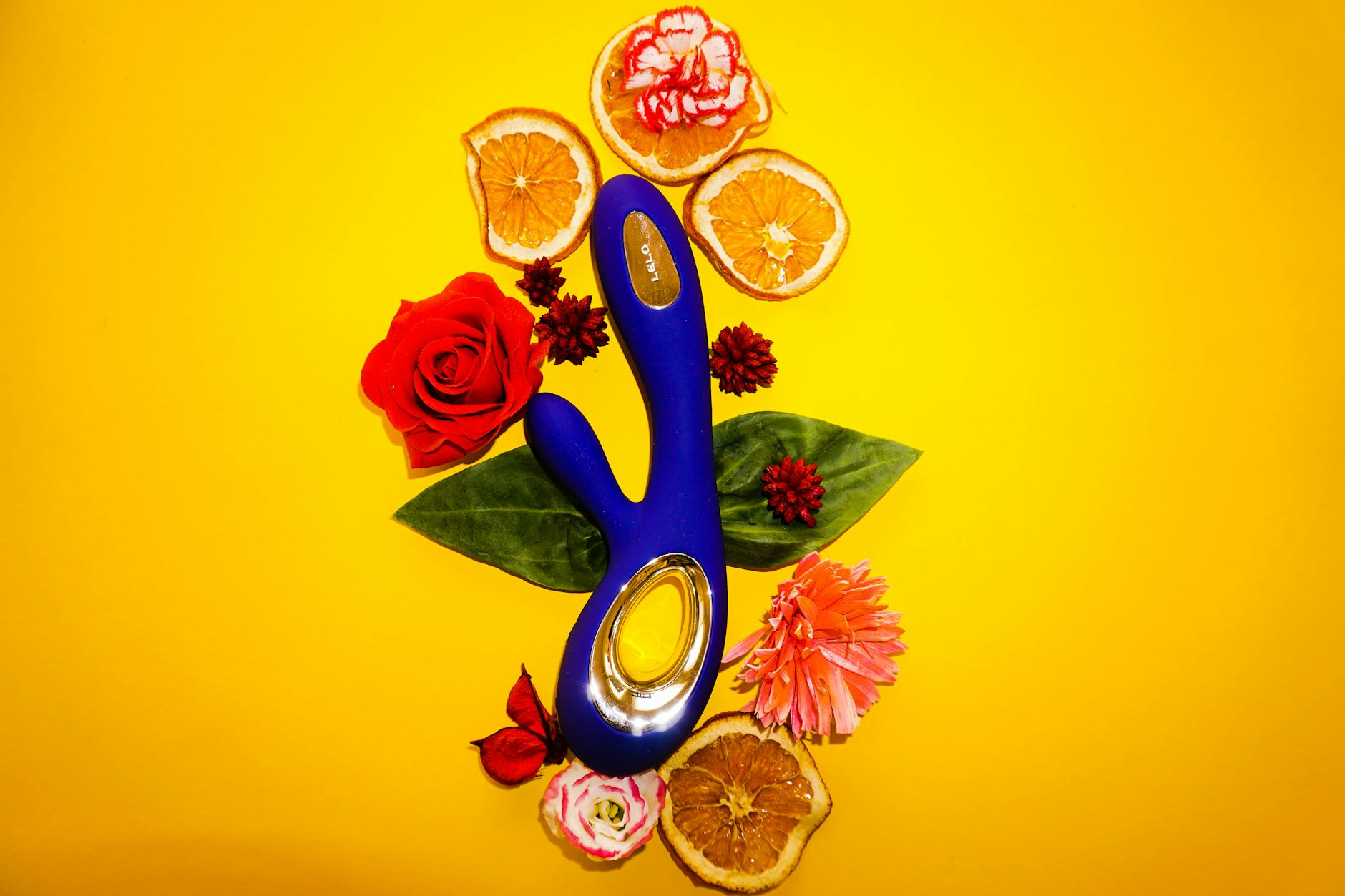
How to Use Lemon Vibrators When You Have a New Disability or Chronic Condition
Let's be real: diagnosis changes things. A chronic condition, new disability, or major health event rewires your relationship with your body overnight. Pain, fatigue, medication side effects, mobility loss, numbness, or unpredictable flare-ups become the backdrop to everything you do, including sex.
Here's what I've seen happen in my years working with couples navigating this: most people assume pleasure has to look the way it did before. It doesn't. And the couples who rebuild intimacy after disability or chronic illness often describe their sex life as more connected, more intentional, and sometimes more satisfying than it was in the before times.
Using a clitoral vibrator like one from Try Lemon Sex Toys when you're managing a chronic condition or new disability is less about overcoming your body and more about meeting it where it actually is. That's the shift that changes everything.
How chronic conditions affect arousal and sensation
The mechanics are worth understanding because naming what's happening takes away the shame around it. Chronic pain, fatigue, or illness can suppress arousal in multiple ways at once.
First, there's the direct physical effect. Inflammation, nerve damage, or medication side effects can genuinely reduce sensation or make stimulation feel uncomfortable. If you're managing a condition like fibromyalgia, MS, or neuropathy, you already know this.
Second, there's the mental load. Chronic illness is exhausting in ways that don't show. Even when your body could theoretically respond to stimulation, your brain is running a background process of pain management, symptom tracking, and medical logistics. Arousal requires cognitive bandwidth. When you're burning that on survival, there's less left for pleasure.
Third, there's the grief piece. A new diagnosis often involves grieving the body you had. That grief is real, and it can temporarily flatten desire. This is completely normal and temporary, but it needs naming.
The good news: none of these barriers are permanent, and most of them respond to specific, practical adjustments.
Why suction vibrators work better than traditional vibration
When sensation is reduced, inconsistent, or painful, the type of stimulation matters more than ever. This is where lemon clitoral vibrators shine compared to other toys.
Traditional vibrators work through rapid back-and-forth or side-to-side movement. That motion can feel too intense on already-sensitive tissue, or it can feel like nothing at all if nerve damage is involved. Suction-based stimulation, like the Lem from Try Lemon Sex Toys, works differently. It creates a gentle pulling sensation that stimulates the clitoral network without requiring direct friction.
For people managing chronic pain, neuropathy, or conditions that make direct touch uncomfortable, this difference is massive. You get stimulation without the mechanical pressure. For people dealing with reduced sensation, the suction creates a broader area of sensation, which can sometimes break through numbness in ways vibration alone can't.
There's also a psychological piece: suction feels safer. It's less aggressive-looking, less clinical, less like you're compensating for a broken body. That mental ease matters because anxiety and self-consciousness are already tangled up with chronic illness. Any tool that lets you feel like yourself rather than like a medical case study helps.
Timing, pacing, and the energy management piece
Fatigue is the most underestimated barrier to sex after illness or disability. It's not laziness. It's a real neurological and physiological symptom that doesn't respond to willpower.
If you're managing fatigue, here's what helps: stop thinking of sex as an evening activity that has to follow dinner and a conversation. That's a luxury of pre-illness life. Now, you schedule intimacy during your window of maximum energy. For some people, that's mid-morning. For others, it's right after medication kicks in.
Second, shrink the session. If you used to have hour-long encounters, you're not failing if you now need 15 minutes. A vibrator shortens the runway to orgasm significantly, which means less stamina required and more pleasure per unit of energy spent. That's not settling. That's efficient.
Third, plan for recovery. Build a small wind-down into the aftermath. If you're going to have pain flare-up later, you want to know that was worth it. Sometimes that's just five minutes of quiet touching after. Sometimes it's a heating pad and a specific playlist. The ritual matters because it frames intimacy as something you're doing with your body, not something your body is failing to do.
Positioning and accessibility when movement is limited
Once you stop assuming sex has to look like it used to, everything becomes easier.
If you have limited mobility, pain in certain positions, or need to be immobile during flare-ups, lying on your back with a vibrator becomes genuinely excellent. Add a wedge pillow under your lower back for support, and you've eliminated most of the physical demand. The vibrator does the work. You receive it.
If you're managing pain that's triggered by pressure or movement, side-lying works beautifully. You're supported, minimal joint stress, and a partner can still reach you easily, or you can use your own hand to guide a vibrator.
For people with limited hand strength or dexterity (from arthritis, stroke recovery, or other conditions), a vibrator with a thicker handle like the Lem is easier to grip than a toy designed for partner use. The weight distribution matters. Something too heavy becomes painful; something too light becomes slippery.
The underlying principle: your body's limitations aren't failure states. They're just constraints that reshape what sex looks like. Constraints can actually make things better because they force you to strip away the performance and focus on what actually feels good.
Communication patterns that actually work
Here's where most couples get stuck: they try to have the sex conversation while also managing the disability conversation, and both conversations fall apart.
Separate them. "My body is experiencing this" is not the same conversation as "I want us to stay connected." One is medical information. The other is relational. You can't solve both at once.
With a partner, the script I use is: "I know my body has changed, and that's disorienting for both of us. I also know I still want to feel close to you. Let's talk about what that can look like right now, not what it used to look like."
Then you get specific. Can you touch for five minutes without it leading anywhere, just for connection? Do you need to tell your partner what sensation you're actually feeling, or is the vibrator enough and you just want their presence? Is this something you want to do together, or do you need solo time with a vibrator to rebuild your own sense of pleasure first?
Most couples find that pleasure actually deepens after disability because the stakes shift. Sex stops being a performance and starts being a conversation. That's not a consolation prize. That's the good version.
When to reach out for professional support
Your GP or a therapist who specializes in disability and sexuality can help with specific barriers. If pain happens during sex, a pelvic floor physical therapist (even one trained in disability adaptation) can sometimes help. If sensation loss is more profound than you expected, a neurologist might have input.
Honestly though, sometimes the barrier isn't medical. It's grief, loss of identity, or relationship strain that sex is just the visible symptom of. That's where a therapist who gets both disability and intimacy comes in. They can help you grieve the before while building the after.
You don't have to figure this out alone. And you don't have to wait until you're "adjusted to your diagnosis" to start rebuilding pleasure. Pleasure is part of adjustment. It's part of learning to live in your changed body as a full person, not just a medical patient.
Common questions about disability, chronic illness, and sexual pleasure
Can I use a lemon vibrator if I have limited hand strength or dexterity?
Yes, absolutely. Look for a vibrator with a wider handle and good weight distribution, like the Lem from Try Lemon Sex Toys. The button placement matters too. You want it accessible without weird finger angles. You can also hold it against your body using your thigh, a pillow, or a partner's hand if gripping isn't possible.
What if my pain gets worse during or after sex, even with a vibrator?
That's useful information. It tells you either the timing isn't right, the position puts pressure on a tender area, or you need more recovery time between sessions. Start shorter and gentler, and build from there. Some people find that a warm bath before helps; others need ice after. You're looking for the formula that lets you have pleasure without paying for it in pain for days.
Does using a vibrator make it harder to orgasm with a partner later?
No. Orgasms from vibrators and orgasms from partner touch engage slightly different neural pathways, but they don't interfere with each other. If anything, learning to come with a vibrator gives you information about what actually works for your nervous system, which you can then share with a partner. That makes partnered sex better, not worse.
I'm worried my partner won't want sex anymore because I'm chronically ill. How do I bring this up?
Don't wait for them to bring it up. Start the conversation by naming what you're worried about. "I know this diagnosis changes things, and I'm scared you'll feel like I'm not sexual anymore. I still want that part of us." Most partners are relieved to hear this because they're worried about the same thing and don't know how to ask.
Can I use a lemon clitoral vibrator safely if I have nerve damage or numbness?
Yes, but start at the lowest setting and pay attention to sensation. Suction vibrators are actually gentler on compromised nerves than traditional vibration because they work through broader stimulation rather than rapid mechanical motion. If numbness is severe, you might not feel it at all initially, but your nervous system is still receiving input, which can sometimes help retrain sensation over time.
What if I have unpredictable flare-ups and can never know when I'll have energy?
Then flexibility is your friend. Some couples build in a standing offer: "Whenever you have a good window, let me know, and we'll prioritize it." Others keep a vibrator on the nightstand so when a moment of energy arrives, you can act on it immediately without having to plan or prep. The ritual matters less than the spontaneity.
The real truth about pleasure and disability
Here's what I've learned from working with couples navigating this: the couples who keep intimacy alive after a major health change aren't the ones who muscle through and pretend nothing changed. They're the ones who got curious about what pleasure could look like now.
Your disability or chronic condition doesn't erase your sexuality. It just means you get to build it intentionally instead of on autopilot. That's actually an advantage, even though it doesn't feel like one at the start.
If you're rebuilding after a change in your body, start with something that works with you, not against you. A vibrator is a tool. The Lem and other clitoral vibrators from Try Lemon Sex Toys are specifically designed to work with bodies that need gentleness, precision, and less direct pressure. Give yourself permission to explore what actually feels good now, not what you think should feel good.
Your pleasure matters. It always did. Your body changed, but that part didn't.