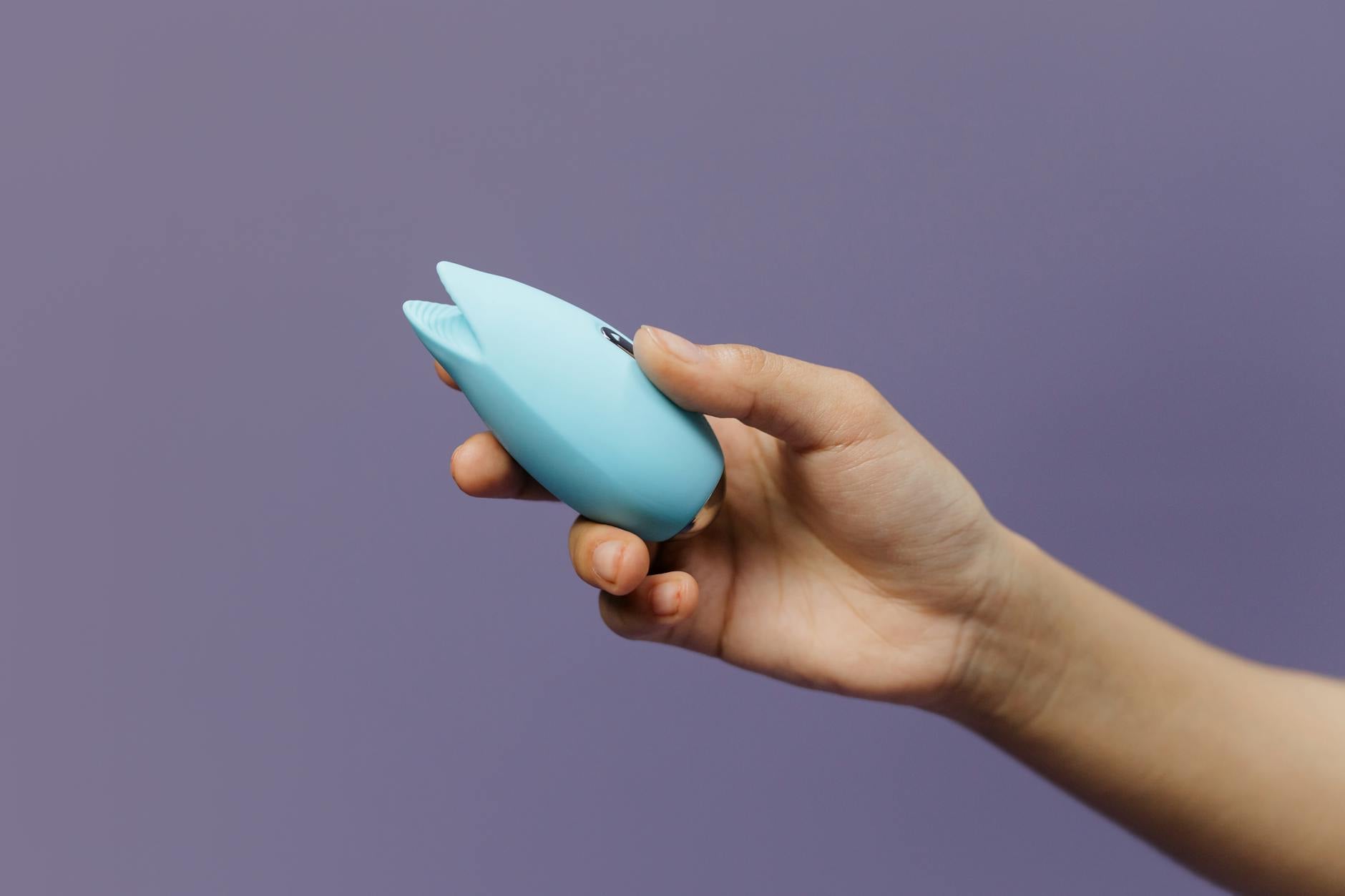
Let's get real about the anxiety part
Honestly, the biggest barrier isn't the toy. It's the story you're telling yourself about what introducing a lemon vibrator means. That it means he's not enough. That she's rejecting his touch. That you're admitting something's broken. None of that is true, and we need to clear it out before you even open your mouth.
A lemon clitoral vibrator isn't a replacement for a partner. It's an addition to what you already have. Think of it like cooking. Your partner is the foundation of a good meal. A vibrator is the perfect seasoning that makes the whole thing sing. Different tools, same goal: mutual pleasure.
Why the conversation feels bigger than it is
There are three layers to this anxiety, and recognizing them helps.
First, there's vulnerability. You're saying "I want more of this specific thing," which means naming a desire. That's harder than it sounds because it means risking rejection. Second, there's the shadow of old messaging. Many of us grew up learning that wanting toys meant something was wrong with you or your relationship. That's cultural stuff, not truth. Third, there's the practical fear: "Will they take it personally?"
The good news: these feelings are totally normal, and they're completely manageable if you approach this with intention. Partners who communicate about pleasure tend to have better sex lives overall. Full stop. This conversation isn't a risk to your relationship. It's an investment in it.
The setup conversation (not the sex conversation)
Don't bring this up during sex. Don't spring it as a surprise in the moment. Have an actual conversation when you're both clothed, calm, and not about to be intimate. The separation matters.
Start light. You might say: "I've been thinking about trying something new in bed, and I wanted to talk to you about it first." That's it. Let them respond. You're not asking permission. You're inviting collaboration.
Why a lemon vibrator specifically? Because you're curious. Because you think it might feel good. Because you want to explore together. Pick whatever is honest for you. If it's "I read that clitoral vibrators can make orgasms more intense," say that. If it's "I just think it sounds fun," say that too.
How to handle the responses that scare you
If they say "I thought I was enough for you," that's a chance to clarify. "You are. This isn't about you not being enough. It's about me knowing what I like, and wanting to share that with you. Some people love coffee with milk. Some like it black. Both are valid. Same person." That's not dismissing their feelings. It's offering context.
If they seem uncertain or hesitant, don't push. Ask what the hesitation is about. Maybe they're worried they'll feel replaced (they won't). Maybe they're worried about being bad at it (you're using the toy, not them). Maybe they genuinely need time. All of those are fixable with conversation.
If they say yes immediately, great. You're ready to move forward.
The first time you use it together
Keep expectations low. This isn't a performance. You're just testing it out, seeing what works, seeing what feels good.
Start with hands-on exploration. You might show them how you like it used on yourself first. This removes mystery and gives them information they actually need. Maybe they want to hold it while you guide their hand. Maybe you want to hold it while they touch you elsewhere. There's no script here.
Pacing matters. Use it for part of your time together, not all of it. This keeps manual touch and penetration on the menu too. Variety is what makes sex interesting over time.
Communicate during. "That feels good." "A little lighter." "I like this pattern." Your partner can't read minds, and feedback helps them help you. This also takes the pressure off them to figure it out.
What lemon vibrators actually do well in partnerships
Clitoral vibrators like lemon sucker designs are designed to be partner-friendly. They're not loud. They're not bulky. They work during a lot of positions, which means your partner can stay engaged with your body while the toy does its work.
Most people find that adding a lemon clitoral vibrator to partnered sex means more intense orgasms, which is great for everyone involved. Some people orgasm for the first time during partnered sex because of the added stimulation. That's not a small thing.
The other benefit: it can take pressure off your partner to be the source of all stimulation. If you reach orgasm, they get to relax, focus on their own pleasure, and enjoy the whole thing more. It's actually less work, not more.
Beyond the first time: keeping it fresh
After you've used a lemon vibrator together a few times, check in. Not formally. Just "What did you think?" "Do you want to do that again?" "Want to try something different next time?"
Some couples find that adding a toy to certain kinds of sex (quickies, foreplay, specific positions) works better than others. Some use it every time. There's no "right" way. You're both allowed to adjust as you learn what works.
If your partner seems less interested than you are, figure out why. Maybe they feel distant from the intimacy. Maybe they prefer the original routine. Maybe they want a different kind of toy. Open that conversation without defensiveness. "I notice we haven't been using it lately. Everything okay?" gives them room to be honest.
When communication is the real problem
Look, sometimes the toy conversation is easy because the bigger relationship communication is already solid. Sometimes it's hard because talking about anything vulnerable is hard in your partnership.
If you're struggling to have this conversation, that's not a toy problem. That's a communication problem, and it's worth addressing. A relationship coach or therapist can help you build the skills to talk about desire, pleasure, and needs. That foundation helps with everything else, not just sex.
The permission you actually need
Your pleasure matters. Your desires are valid. Adding a lemon vibrator to partnered sex isn't selfish. It's not a sign your relationship is in trouble. It's not admitting defeat. It's being an adult who knows what feels good and is confident enough to ask for it.
That confidence is actually one of the most attractive things you can bring to a partnership. Someone who knows themselves, communicates clearly, and invites their partner into their pleasure? That's someone worth having sex with.
Start the conversation. You've already done the hardest part by deciding it matters to you.
FAQ: Questions partners actually ask
What if my partner thinks I'm not satisfied with them?
This comes up, and it's worth addressing directly. A vibrator is not a commentary on your partner's performance. It's a tool that does something hands can't do. You probably use a blender even though you have hands. Same logic. Reassure them that you enjoy sex with them, and that adding a toy makes it better for you both.
Can we use a lemon clitoral vibrator during penetrative sex?
Yes. Many people prefer clitoral vibrators like the lemon sucker design during penetration because they're compact and can be positioned right where the clitoris is. You might need to experiment with positioning to find what works for your bodies.
What if we try it and I don't like it?
Then you don't do it again. You've tried something, learned it wasn't for you, and moved on. That's fine. Not everything works for everyone, and that's completely okay.
Should I ask my partner to use the vibrator on me, or should I use it on myself?
Both are options. Some people feel more in control and can focus on sensation if they're using the toy themselves. Some people like the experience of their partner using it on them. Try both and see what feels better.
If we use lemon vibrators during sex, will I become dependent on them?
No. Your body doesn't build tolerance to vibration the way it builds tolerance to some medications. You'll just have another option in your toolkit. Some sessions you'll want it. Some you won't. That's normal.
How do I bring this up if my partner has never mentioned wanting toys?
The same way you'd bring up any desire. "I've been thinking about trying this," is enough. You don't need them to have suggested it first. Your desires count even if they're new to your partner.
Your pleasure deserves attention. Your partnership can handle honest conversation. Start there, and everything else follows.