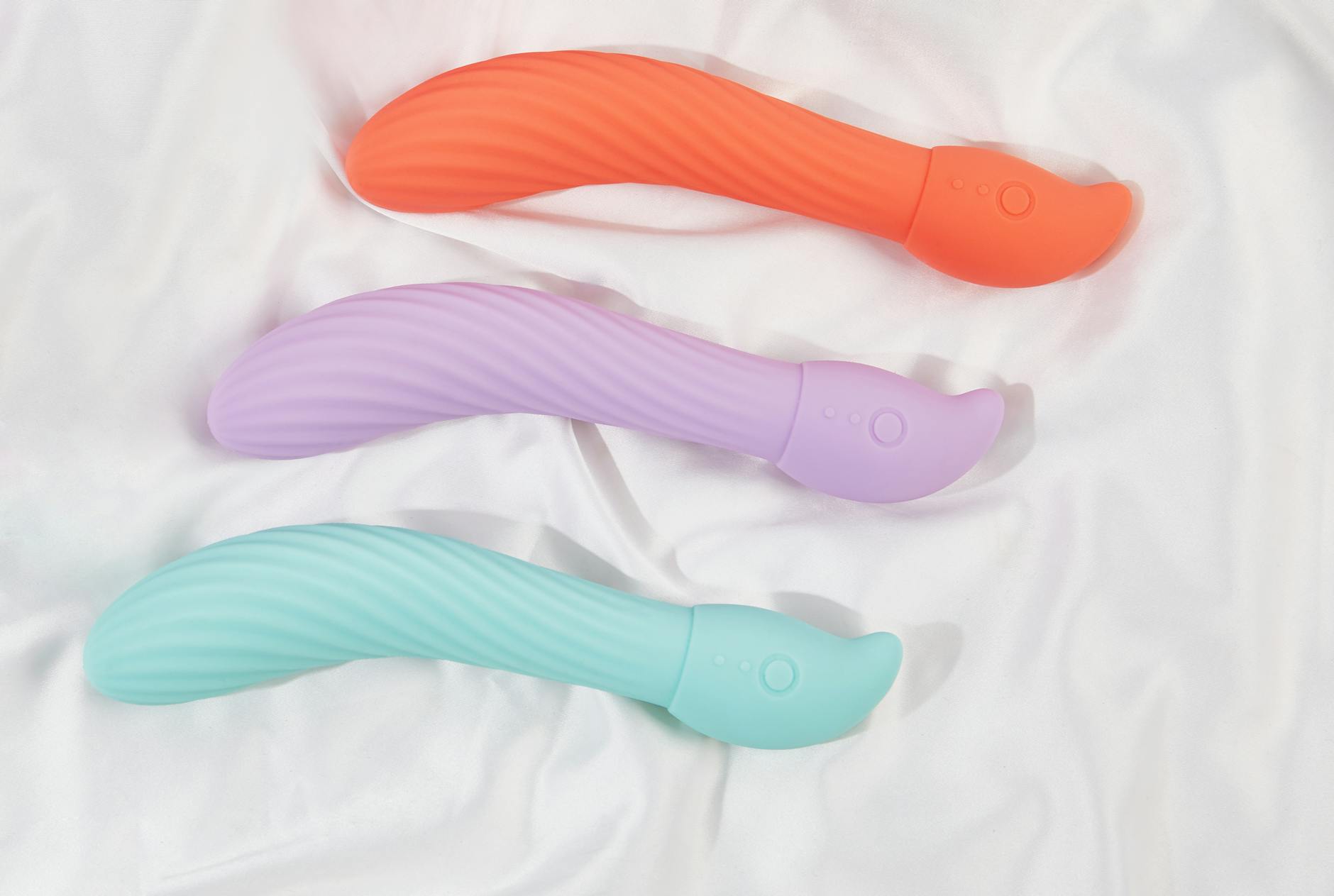
Here's what nobody tells you about lube and lemon vibrators
Lubrication isn't just a nice-to-have when you're using a lemon clitoral vibrator. It's a game changer that transforms how the device feels, performs, and what your body experiences. But the type of lube matters wildly, and the technique matters even more.
Most people grab whatever's in the drawer and hope for the best. That's where things go sideways. The texture, viscosity, and chemical composition of your lubricant directly affect how suction stimulation works, how long you can comfortably use the device, and whether you end up sore afterward. I've walked hundreds of couples through this, and the shift from "no lube" or "wrong lube" to the right approach is often the difference between meh and revelatory.
Water-based lube: the default that actually works
Water-based lubricant is your safest bet with lemon vibrators and clitoral vibrators generally. Here's why.
Water-based formulas are compatible with every toy material—silicone, glass, metal, all of it. They don't degrade the surface, they wash off easily, and they're compatible with condoms. More importantly, they feel natural. They warm quickly to body temperature and they mimic your own lubrication without that artificial slickness some people find off-putting.
The catch? They dry faster than silicone-based alternatives. That matters with lemon vibrators specifically because the suction mechanism works best when there's a consistent layer between the device and your skin. If the water-based lube dries up during a session, you lose that cushioning effect and can end up with irritation.
My recommendation: go thick. Look for water-based lubes with a gel consistency rather than the thin, runny ones. Brands like Aloe Cadabra or Hyalo Gyn create that tacky, staying power you need without sacrificing comfort. Apply generously—more than you think you need. You can always wipe away excess.
Silicone-based lube: longer lasting, but there's a hard rule
Silicone lube lasts significantly longer than water-based. A single application can carry you through an entire 20-minute session without drying out, which is huge if you're someone who loses sensation when the lubrication disappears.
But here's the non-negotiable rule: silicone lube damages silicone toys. The Hello Nancy lemon clitoral vibrator is silicone. If you use silicone-based lube with a silicone toy, you're breaking down the material over time, creating micro-damage that eventually compromises the device.
So silicone lube is off the table for lemon vibrators. Don't do it. The longer-lasting effect isn't worth degrading your device.
Hybrid lubes: the middle ground
Hybrid lubes combine water-based and silicone bases. They last longer than straight water-based formulas and they're safe for silicone toys. The downside is they're often thinner than pure water-based gels, so you'll need to reapply more frequently than with silicone, but less than with traditional water-based products.
If you're someone who finds water-based lube dries out too quickly but wants to avoid the silicone trap, hybrid is a reasonable compromise. Just test a little first. Some hybrids feel weird on skin—sticky or tacky in a way that works against you.
Application technique: where the difference lives
Having the right lube matters zero if you're not applying it correctly. The way you put lube on changes how effective it is.
Three application methods:
First, the direct-to-body method. Apply lube to your vulva or the area where you'll be using the lemon vibrator, spreading it with your fingers. This gives you control and lets you feel where you're lubricated and where you're not. The downside is that once the vibrator touches down, friction can move the lube around, creating dry spots.
Second, the device method. Apply lube to the silicone head of the vibrator itself before bringing it into contact with skin. This creates a more even coating initially, but again, movement and pressure redistribute it.
Third, the hybrid method, which I recommend most: apply a light layer to your body first, then add a small amount to the vibrator head just before use. This gives you the best of both worlds—you can feel where you're covered, and the vibrator brings a fresh layer that reduces friction on contact.
With all methods, less is more initially. You can always add more, but wiping off excess mid-session breaks your flow. Start with about a dime-sized amount for the vulva, half that for the device head.
Why the right lube changes how lemon vibrators feel
The suction function of a lemon clitoral vibrator relies on a seal between the device and your skin. When there's proper lubrication, that seal stays consistent and the sensation stays precise. When lube is absent or dried out, the seal breaks down. You get more friction and less suction, which changes the whole experience.
With good lubrication, you'll notice the suction feels smoother and more sustained. The stimulation builds more gradually and feels less jarring. You can use a lemon vibrator for longer without irritation. And orgasms, in my experience watching this play out across relationships, feel deeper and more integrated rather than surface-level twitchy.
Without lubrication? The device feels grabby. Sensation is more abrupt. Comfort drops fast, which means you're thinking about discomfort instead of pleasure.
Reapplication during a session
This depends on what you're using. Water-based lube typically needs refreshing every 8-12 minutes of continuous use. Hybrid lubes stretch that to 15-20 minutes. Silicone would go longer, but again, not an option with lemon vibrators.
You'll feel it when you need more. The vibrator will start to feel drier or slightly sticky instead of smooth. Keep a small amount of lube nearby and reapply when it happens. You don't need to stop; just take 10 seconds to add a touch more.
Honestly though? Most people underestimate how long a good initial application lasts. Try starting with more than feels right rather than less.
The lube conversation with a partner
If you're using a lemon vibrator with a partner, the lubrication decision becomes part of the communication. Some people feel weird about adding lube to partnered sex because they interpret it as "something's wrong" with their natural lubrication. That's backwards thinking, but it's real, and it matters.
Framing helps. "I want to try more lube because the sensation changes" is different from "we need lube because I'm not wet enough." One is about pleasure optimization. The other can trigger shame or inadequacy. Have that conversation before you're in the moment.
If your partner is using the lemon vibrator on you, they need to know your lubrication preferences too. Some people like it really wet. Others find that reduces the suction sensation. You won't know until you communicate, and you can't communicate clearly if you're embarrassed about talking about lube.
Common lube mistakes I see
One: using body lotion or coconut oil. These aren't designed for this use, they degrade toy materials, and they absorb oddly. Don't improvise.
Two: going stingy with the amount. Use enough. Friction is your enemy here.
Three: using scented lube if you have sensitivity. Fragrance is just extra irritation. Unscented water-based gel, every time.
Four: forgetting to reapply. When sensation starts to feel off, that's your cue. Don't push through.
Five: comparing your lube needs to someone else's. If you need more lube or need to reapply more often, that's not a problem to fix. That's just you.
How to tell if it's a lube problem or a sensitivity problem
If you're experiencing irritation after using a lemon clitoral vibrator, the first troubleshoot is always lube. Switch to a thick water-based gel, use generously, and try again. If irritation disappears, you had a lube problem. If it persists, then you might have skin sensitivity or a reaction to the silicone itself, and it's worth checking with a doctor.
But nine times out of ten, when someone tells me "lemon vibrators irritate me," it's because they weren't using proper lubrication. The device itself is designed to work smoothly, and smooth operation requires the right slip.
If you're interested in exploring different stimulation techniques that complement lube use, our guide on how to choose lemon vibrator intensity settings for your sensitivity level walks through the intensity angle in detail. And if you're using a lemon vibrator with a partner for the first time, how lemon vibrators work better when you talk to your partner first covers that conversation specifically.
FAQ: Lubrication and lemon vibrators
Can you use a lemon vibrator without any lubrication?
Technically yes, but you shouldn't. Without lubrication, you lose the smooth, gliding sensation that makes suction stimulation effective. You also increase the risk of irritation, especially if you're using the device for more than a few minutes. The whole point of a lemon clitoral vibrator is the precision of that seal between device and skin. Lubrication maintains that seal. Skip it and you're shortchanging yourself.
What's the best water-based lube for lemon vibrators?
Look for a gel-based water lube rather than a thin liquid. Thick consistency means it stays where you put it longer. Aloe Cadabra, Hyalo Gyn, and Sliquid are reliable brands. The exact product matters less than the consistency. Gel-based, water-based, unscented. That's your formula.
How much lube do I actually need for a lemon clitoral vibrator?
Start with a dime-sized amount on your vulva and a small dot on the vibrator head. That's usually enough for 10-15 minutes. You can always add more if it feels too dry. Most people are shocked how long one application lasts when they use enough to start with. The instinct is to be stingy. Fight that instinct.
Does lubrication reduce the sensation from lemon vibrators?
No. It changes the sensation, but not in a bad way. Without lube, stimulation feels sharper and more abrupt. With lube, it feels smoother and more sustained. Many people report that their best orgasms come with generous lubrication because the sensation builds more gradually and feels less jarring. It's not reduction. It's refinement.
Can I use coconut oil with my lemon vibrator?
No. Coconut oil isn't formulated for sexual wellness, it degrades some toy materials over time, and it can throw off your vaginal pH. Use a product designed for this. Water-based lube, always, with lemon clitoral vibrators.
Is it normal to need to reapply lube during a session?
Completely normal. Water-based lube dries over time, especially if you're using the vibrator continuously. Reapply every 10-15 minutes. Keep some nearby so you don't have to stop mid-moment. This isn't a sign something's wrong. It's just how the chemistry works.
The right lubrication transforms a lemon vibrator from a nice toy into something that actually feels exceptional. It's not overthinking it. It's the difference between okay and incredible. Start with a good water-based gel, use more than feels necessary, and reapply when things feel drier. That's it. Your pleasure will feel the difference immediately.