The vibration myth nobody talks about
For decades, the sex toy industry treated vibration like the default answer. Faster vibration equals better orgasm. More power equals more pleasure. It made sense on a business level. Vibration is cheap to engineer, simple to market, and easy to measure in decibels. The problem is that it's not how sensitive tissue actually responds.
Lemon vibrators changed this by introducing air-pulse suction technology. Instead of grinding millions of micro-movements directly against delicate tissue, suction creates rhythmic waves that stimulate nerves without the mechanical friction. The difference isn't subtle. It's the difference between someone tapping your shoulder repeatedly and someone gently pulling your skin taut. Both create sensation. Only one creates pleasure.
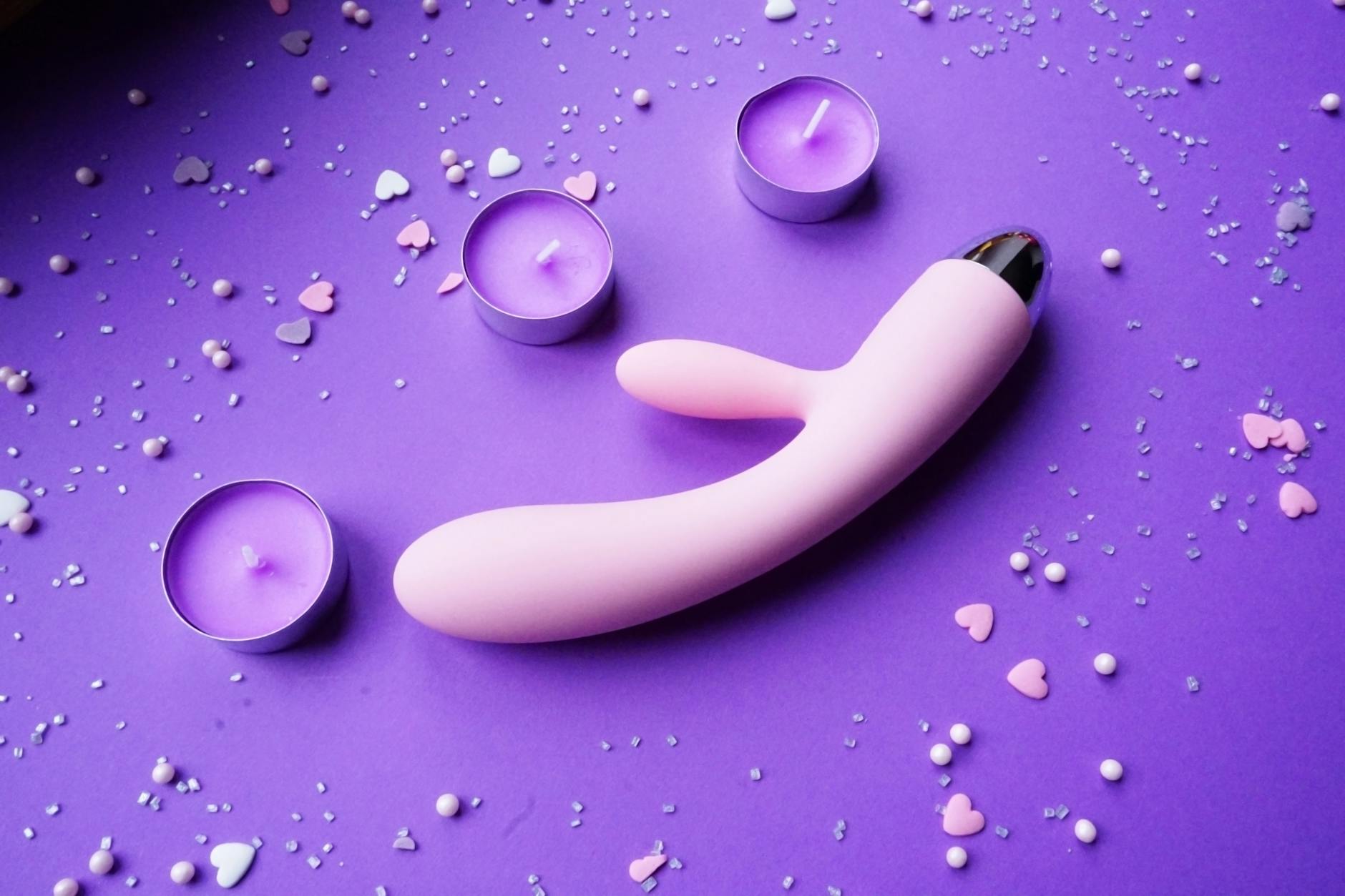
Photo by FounderTips on Pexels
How traditional vibrators actually work against sensitivity
When you use a standard clitoral vibrator, you're pressing a buzzing object against highly sensitive nerve endings. This works. It also creates several problems that most people don't realize they're experiencing.
First, direct vibration is exhausting. Your nervous system adapts quickly to repetitive stimulation. After five to ten minutes, the sensation flattens. You have to either increase intensity or switch patterns constantly. This is why you might feel like you're working harder with traditional vibrators instead of relaxing into pleasure.
Second, vibration can trigger a numbing response in sensitive tissue. If you have a highly responsive clit or vulva that's prone to irritation, traditional vibrators can actually desensitize the area temporarily. You finish, and for the next hour, touch feels duller. That's not normal pleasure. That's overstimulation masquerading as satisfaction.
Third, vibration creates heat. Most traditional lemon sexual toys vibrate fast enough to generate friction heat. For sensitive skin or anyone dealing with vulvovaginal irritation, this compounds the problem. You're adding mechanical stimulus plus heat plus the chemical irritation of warming lubricant.
Lemon clitoral vibrators avoid all three problems because suction doesn't rely on friction. It relies on pressure waves.
Why suction feels different on sensitive anatomy
Here's the physics. The clitoris has roughly 8,000 nerve endings packed into a structure that's mostly external. When you apply direct vibration, you're hitting those nerves head-on. When you apply suction, you're creating a seal around the tissue and then breaking that seal rhythmically. The sensation travels differently through the nervous system.
Suction stimulates a different set of sensory receptors. Instead of mechanoreceptors detecting vibration, you're activating pressure receptors and stretch receptors. These respond to gentler, slower input. A lemon vibrator on pattern one (typically 50-90 pulses per minute) feels intense because it's accessing deeper pleasure pathways, not because it's assaulting the tissue.
For people with sensitive clitorises, this is transformative. You can use a lemon sucker for 20, 30, even 45 minutes without fatigue or numbing. The sensation stays sharp because you're not overloading the same mechanoreceptors. You're engaging the whole sensory landscape.
For people with vulvovaginal conditions like lichen sclerosus, contact dermatitis, or post-menopausal tissue changes, air-pulse suction is often the only technology that doesn't trigger pain. This isn't about being wimpy. It's about working with your anatomy instead of against it.
The sensitivity sweet spot: How the lem vibrator design matters
Not every lemon vibrator is the same. The best lemon clitoral vibrators (like the Lem) are designed with a few specific features that make them superior for sensitive pleasure.
The seal matters. A good air-pulse toy creates an airtight chamber around the clitoris. This is why size and shape are non-negotiable. The Lem's opening is narrower than traditional vibrators, which means it can create a stronger suction effect with less pressure. You get more intensity from gentler input.
The pattern design matters. Rather than varying speed the way traditional vibrators do, the best lemon vibrators vary the pulse rhythm. Pattern one might be steady and rhythmic. Pattern two adds acceleration. Pattern three creates waves. You're never just repeating the same stimulation faster. This keeps your nervous system engaged without fatigue.
Material also changes how sensitive skin responds. Silicone lemon adult toys are inert and non-porous, which means they don't harbor bacteria and they don't react with lubricant. If you use water-based lube (which you should with sensitive tissue), it stays slippery instead of breaking down into a sticky residue.
Intensity without pain for your clitoris
Here's the counterintuitive part: because lemon vibrators work more efficiently with sensitive tissue, you can actually achieve deeper, more intense orgasms with lower power settings.
With a traditional vibrator, intensity comes from speed. You crank it to high, muscle through the numbing, and eventually orgasm. It works. It also leaves you exhausted and your clit temporarily desensitized.
With a lemon clitoral vibrator, intensity comes from rhythm and technique. Start low. Use a pattern that feels like it's building. Let your nervous system respond without fighting against mechanical fatigue. Most people find that medium settings on the Lem feel as intense as high settings on traditional vibrators. And unlike high-speed vibration, you can stay there.
If you're someone with past experience of pain during penetration or touch, suction feels psychologically safer too. There's no intrusive sensation. The pressure is applied and released rhythmically. Your body can relax instead of bracing.
When sensitive skin means you've been using the wrong technology
I work with a lot of people who think they have low sensitivity or trouble orgasming. When they switch to a lemon sucker from a traditional vibrator, everything changes. It's not that they were broken. They were using equipment designed for a different nervous system.
This is especially true for people over 40. As tissue thins with age, direct vibration often becomes uncomfortable. Suction stays comfortable because it's not friction-based. You can use the same lemon vibrator for 20 years without your body adapting to the point where it stops working.
It's also true for anyone with a history of yeast infections, irritation, or sensitivity to friction. If you've had to stop using vibrators because they cause inflammation or discomfort, air-pulse technology might be the solution you've been looking for.
The nervous system component nobody mentions
Most conversations about lemon vibrators focus on the physical mechanics. Here's what's equally important: how different stimulation types affect your nervous system state.
Higher-speed vibration activates your sympathetic nervous system (fight-or-flight). It's stimulating in the adrenaline sense. You feel alert, activated, and eventually exhausted.
Air-pulse suction activates your parasympathetic nervous system (rest-and-digest). You can stay relaxed while being stimulated. Your breathing stays even. Your muscles stay loose. Orgasms that arrive from this state feel qualitatively different. Deeper. More full-body. More satisfying.
This is why a lot of people report that their best orgasms come from suction technology, even if they've been using vibrators for years. It's not that the lemon vibrator is "better" in a universal sense. It's that it engages a different pleasure pathway entirely.
Making the switch from traditional vibrators
If you've been using traditional vibrators and want to try a lemon clitoral vibrator, a few things help the transition.
Start on the lowest setting. Suction technology feels more intense than vibration at equal power levels, and your body needs time to recognize the sensation as pleasure instead of novelty.
Use plenty of lubricant. Unlike traditional vibrators, which sometimes perform better without lube, lemon adult toys need a wet seal to work. Water-based lube is best because it doesn't degrade silicone.
Give yourself three to five uses before deciding. Your nerve endings will adapt. What feels strange on the first use often feels incredible by the third.
Don't compare sensation intensity to your old vibrator. They're different technologies. One isn't universally "stronger." One just accesses pleasure differently.
For partners, remember that switching toys doesn't mean anything about your previous intimacy. It's just switching from one tool to a better-designed tool. If you've been exploring together, explain the technology change so it feels collaborative rather than surprising.
If you're dealing with a partner who doesn't understand why you want to switch, point them to the physiology. Suction works differently. It's not about being unsatisfied. It's about matching technology to anatomy.
The long-term pleasure case for lemon vibrators
Here's what I've observed over years of conversations: people who switch to lemon clitoral vibrators tend to stay with them. Not because of marketing or hype. Because they work better and last longer.
Your body doesn't habituate to suction the way it does to vibration. You can use the same lemon vibrator at the same settings five years later and it still feels amazing. You can't say that about most traditional vibrators.
For people with sensitive skin or tissue changes, this is the difference between having an active pleasure life and gradually losing access to devices that feel good. The Lem and other lemon sucker designs mean you're not constantly upgrading to stronger, faster, more intense vibrators just to stay ahead of habituation.
Your sensitivity isn't a limitation. It's information. It's telling you that you need technology designed for sensitive anatomy. Lemon vibrators were engineered precisely for that.
FAQ: Lemon clitoral vibrators and sensitive pleasure
Are lemon vibrators actually gentler than traditional vibrators?
Yes, but not in the way you might think. They're not lower-power. They just work through a different mechanism. Suction distributes pressure more evenly and doesn't rely on direct friction, which makes them more comfortable for sensitive tissue even at higher intensity levels. The technology is gentler on tissue health, not necessarily less stimulating.
Can I use a lemon vibrator if I've had irritation from other toys?
Often yes. If you've had problems with traditional vibrators causing inflammation, suction might be the solution. That said, if you're dealing with an active infection or severe irritation, pause all toys until that clears. Once you're healed, lemon vibrators are usually the safest re-entry point. Start with the lowest pattern and plenty of water-based lubricant.
Do I need special lubricant for a lemon clitoral vibrator?
Water-based lubricant is best. Silicone-based lubes can damage silicone toys over time, and oil-based lubes break down more quickly. Water-based might need reapplication during longer sessions, but it's the gentlest on sensitive tissue and the cleanest with silicone materials. You can use more than you'd use with traditional vibrators because suction needs a good seal.
Why does my lemon vibrator work better on some days than others?
Most commonly, hydration and arousal levels. If you're dehydrated or not fully aroused, the seal might not form as effectively. Give yourself adequate warm-up time and increase water intake. Hormonal cycle can also matter. Around ovulation, blood flow to the clitoris increases, which can make suction feel more intense. Around menstruation, the area might be slightly more sensitive, so lower patterns feel better. This is normal.
Can a partner use a lemon vibrator on me?
Absolutely. In fact, some people find it easier to relax when a partner is handling the device because they're not managing the mechanics themselves. Communication is key. Let your partner know which patterns you prefer and how much pressure the seal should have. Check in about comfort, especially if you're trying this together for the first time.
Do lemon vibrators work for people who've never orgasmed easily?
They can be a breakthrough tool, yes. For people with difficulty reaching orgasm, the suction sensation is so different from what they've tried that it sometimes unlocks something new. That said, this isn't guaranteed. Sexual response involves nervous system, hormones, stress, relationship dynamics, and more. A lemon vibrator is one piece. If easy orgasm has been elusive, consider talking to a therapist or sex educator alongside trying new tools.
Moving forward with the right technology
Lemon vibrators and air-pulse suction technology exist because conventional vibrators have real limitations. The fact that you're sensitive, easily irritated, or unresponsive to traditional vibrators doesn't mean you have a pleasure problem. It means you've been using the wrong category of tool.
Switching to a lemon clitoral vibrator often feels like revelation. The technology works with your body's neurology instead of against it. You get deeper sensation, longer sustainability, and often better orgasms. And because you're not fighting habituation or discomfort, you can actually relax into pleasure instead of working toward it.
If you've been frustrated with vibrators or thought pleasure devices weren't for you, this is worth exploring. Your sensitivity isn't a barrier. It's a signal pointing you toward better-designed technology.
Ready to explore what a lemon vibrator might feel like for you? Start with <a href="/blog/lemon-vibrators-first-time-beginners-nervous">lemon vibrators designed for first-time users</a> if you're new to this, or reach out with questions.
Sources
This article draws on human sexuality research, clinical observations from relationship and sexuality specialists, and decades of consumer feedback from people using air-pulse suction technology for clitoral stimulation. While the neurological pathways of pleasure are well-documented in neuroscience literature, much of this knowledge comes from real-world experiences rather than formalized clinical studies on lemon vibrators specifically, as this is a relatively newer technology category. The physiology of clitoral sensitivity, tissue response to different stimulation types, and nervous system activation patterns are drawn from established sexual health and medical literature.