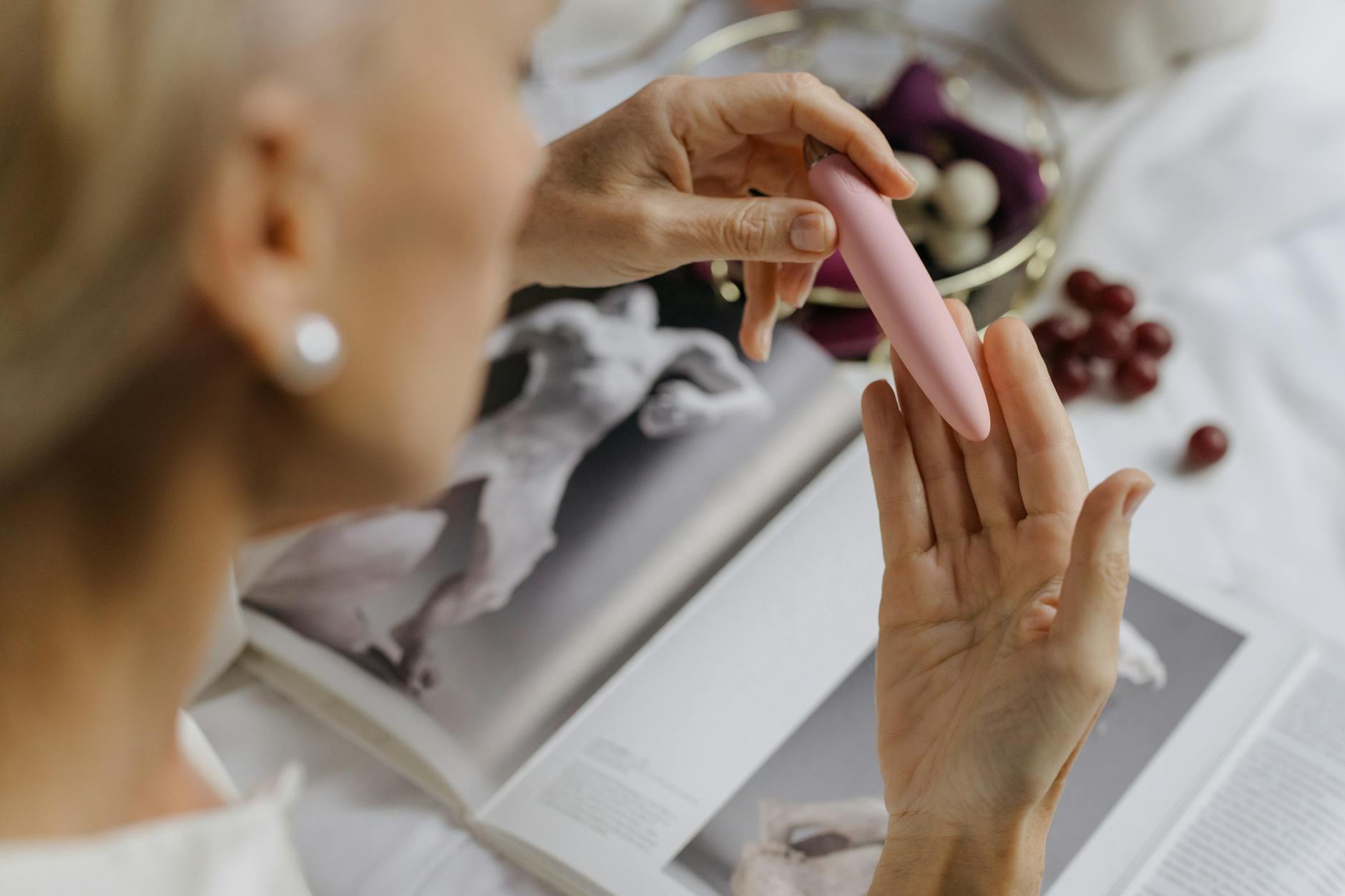
Why Lemon Vibrators Feel Different After Hitting 40 and What Changes Physically
Let's be real. Something shifts after 40. Not your capacity for pleasure. Not your desire. But the physical mechanics of how your body responds to stimulation? That's moving.
If you've been using lemon vibrators or clitoral vibrators in general for years and suddenly they feel different, you're not imagining it. Your tissue is changing, your nervous system is recalibrating, and the way arousal builds is genuinely different. The good news: understanding what's happening means you can adapt, optimize, and often find your best orgasms yet.
The clitoral tissue shift that happens after 40
Your clitoris doesn't shrink after 40, but the surrounding tissue does change. Estrogen naturally begins declining in your 40s. That shift affects the vulva and clitoris more than you'd expect. The tissue becomes slightly less plump, which means the clitoral hood has less cushioning. For some people, this makes direct stimulation feel sharper or more intense. For others, it means the clitoris sits a bit differently under the hood, so the angle of contact that worked before now misses the sweet spot.
This is why many of my clients report that lemon vibrators feel too strong suddenly, or they need to angle them differently, or the suction sensation that felt gentle at 35 now feels like the right pressure at 40. Your clitoris hasn't lost sensitivity. The architecture changed.
Why arousal takes longer (and that's not a bad thing)
Blood flow to the genital area shifts after 40. Not dramatically, but enough to notice. Arousal that used to build in five minutes might need fifteen now. This feels like a problem until you realize it's actually information. Your body is asking for longer foreplay, more mental engagement, better lubrication.
Many women I work with panic at this shift and think they've lost something. They haven't. They've graduated to a different kind of pleasure that requires setup. And honestly? When you build arousal slower and more deliberately, the orgasms often feel deeper. Your nervous system has time to engage all the layers of response, not just the quick surface reaction.
Lemon clitoral vibrators actually work really well in this phase because suction technology doesn't require the same aggressive friction that traditional vibrators do. You can build slowly without feeling like you're wearing down the tissue.
Sensitivity changes in specific ways after 40
This is where it gets interesting. Your clitoris doesn't become numb. But it does become more selective.
After 40, many people find that what used to feel amazing now feels either muted or weirdly intense depending on the day, their cycle, stress levels, and hormonal fluctuations. Your clitoris is also slightly less reactive to constant, repetitive stimulation. This is why intensity levels that worked at 35 might bore you at 45, or why patterns on lemon vibrators that felt perfect suddenly feel flat.
The flip side: your clitoris becomes more responsive to variety, pattern, and rhythm changes. A vibrator that pulses or varies its intensity will likely work better than one that just hums steadily. This is why many women in their 40s and beyond love the Lem's pattern options. You're not numb. You're more sophisticated.
How lubrication needs shift and why it matters more
Vaginal lubrication is closely tied to estrogen. After 40, your body produces less of it naturally, especially if you're in perimenopause or approaching menopause. That's not a story about drying up. It's a story about needing support.
Water-based lubricant becomes less optional and more essential for lemon vibrators specifically. Suction vibrators rely on a tight seal between the toy and your skin to work properly. Without adequate lubrication, that seal becomes uncomfortable and the sensation flattens. Add lubricant, and suddenly the experience transforms. This is the single most underrated fix I recommend to clients over 40 who say vibrators feel "different" or "not as good."
Silicone-based lubes feel richer and last longer, but they degrade silicone toys over time. Stick with water-based for your lemon vibrator and reapply as needed. Your pleasure will thank you.
The pelvic floor factor after 40
Your pelvic floor doesn't stay static over 40 years. It gets stronger in some places and tighter in others, especially if you've done a lot of kegels or have high baseline tension. A tight pelvic floor can change how orgasm feels. Some women report that orgasms feel more localized or less full-body. Others say the buildup to orgasm takes longer because the muscles are working harder.
Here's what helps: learning to fully relax your pelvic floor before and during vibrator use. Not during orgasm. Before. Spend a few minutes breathing into your pelvic floor and consciously loosening it. This gives the muscles space to respond organically to stimulation instead of gripping from the start.
If you've experienced pelvic floor tension, our guide on how to use lemon vibrators when you have pelvic floor tension goes deeper into this.
Why mental engagement becomes the real game changer after 40
The single biggest shift I notice in clients over 40 is that pleasure becomes more mental. At 25, your body might respond to physical stimulation alone. At 45, your brain needs to be involved. Distraction becomes genuinely noticeable. Stress tanks arousal. Disconnection from your partner or yourself dampens response.
This isn't a loss of capacity. It's a shift toward integration. Your pleasure after 40 requires the whole system online. That means less scrolling on your phone during solo sessions, more intentional setup, better communication with partners, and often deeper orgasms because you're actually present.
Lemon vibrators are brilliant for this phase because they require focus. The sensation is distinctive enough that your mind can't wander as easily. The suction pulls your attention into your body in a way that background vibration doesn't.
When it's not just age, it's hormonal flux too
After 40, you might be in perimenopause without realizing it. Perimenopause can last a decade. During this time, hormonal fluctuations are wild. One week your clitoris responds like it did at 30. The next week it feels numb. This isn't random. Your body is cycling through different estrogen and progesterone levels, and your clitoris is exquisitely sensitive to those shifts.
This is why so many women over 40 find that clitoral vibrators feel "different on different days." You're not going crazy. Your hormones are genuinely fluctuating. Tracking when you notice differences can help you understand your own cycle better and adjust your expectations accordingly.
What intensity settings actually mean after 40
Intensity after 40 isn't about being able to "take" stronger vibrations. It's about what feels satisfying and what feels numb. Many lemon vibrators offer multiple intensity levels or pattern options. After 40, you might find you need higher intensity, or you might find that the intensity you used to love now feels too intense and you need pattern variation instead.
There's no universal shift here. Your body is unique. But paying attention to which lemon vibrator settings feel best at different times of your cycle and different stress levels gives you real information about what your pleasure needs right now.
How to actually adapt your vibrator routine after 40
Four things that work for most of my clients in midlife:
Extend your warm-up time. Budget 15 to 25 minutes instead of five. Your body isn't broken. It's asking for more time to build arousal.
Use lubricant proactively. Don't wait until the toy feels uncomfortable. Apply water-based lube before you start. Your clitoris will thank you.
Vary your patterns and intensity. If you've been using the same setting for years, try exploring other options on your lemon vibrator. Your pleasure might have evolved.
Pay attention to your cycle. If you're in perimenopause, track roughly what week you're in and notice how your response changes. This takes the guesswork out of "why does this feel different."
If lemon vibrators feel completely different after 40, you might also explore how to use lemon vibrators when experiencing vaginal dryness or tissue changes for more targeted strategies.
When it's worth seeing a specialist
If pleasure has become painful or completely absent, that's worth discussing with a doctor. Genitourinary syndrome of menopause (GSM) is real and treatable. If you're in perimenopause and your arousal has tanked, hormone-related depression is also possible and worth exploring.
But if your clitoral vibrator just feels different in intensity, timing, or response? That's normal midlife adaptation. Boring, maybe. But normal.
The actual plot twist
Most of my clients over 40 tell me their best orgasms happened after they adjusted to these changes. Once you stop fighting the fact that your body has evolved and start working with it, pleasure actually deepens. You know yourself better. You're less performance-focused. You're often in a more stable place mentally and emotionally.
Your lemon vibrator didn't stop working. You just got better at understanding what you actually need.
People also ask
Do lemon vibrators work differently for women over 40?
Lemon vibrators work the same technically, but your body responds to them differently after 40. Tissue changes, hormonal shifts, and arousal timing mean you might need longer warm-up, more lubrication, or different intensity settings. The suction mechanism remains effective. Your application needs adjustment.
Why does my clitoral vibrator feel less intense after 40?
Clitoral tissue changes slightly after 40 due to natural estrogen decline. The tissue becomes less plump, which can mute sensation for some people. Also, your nervous system becomes more selective about stimulation. This isn't numbness. It's a shift toward wanting more variety and pattern change instead of steady stimulation.
Is it normal for vibrators to feel uncomfortable after 40?
Discomfort after 40 often points to insufficient lubrication or pelvic floor tension, not a problem with the vibrator itself. Water-based lubricant solves most comfort issues. If sharp or persistent pain occurs, see a gynaecologist to rule out tissue changes or GSM.
Should I use a different lemon vibrator after 40?
Not necessarily. You might use the same vibrator differently. Longer warm-up, better lubrication, different intensity settings, or exploring patterns you haven't tried yet can transform the experience. If you've been using the same toy the same way for years, trying something new (pattern, pressure, angle) often helps more than buying a new toy.
Do lemon suction vibrators work better for midlife pleasure changes?
Many women over 40 prefer suction vibrators like lemon clitoral vibrators because they don't require aggressive friction and offer distinctive patterns that keep mental engagement high. The technology responds well to the longer arousal timelines and preference for pattern variation common after 40. But preference is individual.
How much lubrication should I use with a lemon vibrator over 40?
Use enough that the toy glides smoothly over your skin without dragging. For suction vibrators, you need a bit more lubrication than you might think, because the seal needs to form around lubricated tissue. Reapply as needed during your session. Water-based lube is safest for silicone toys.
What actually changes is your relationship to pleasure
After 40, your body isn't broken. It's not less capable. It's different. The clitoris still orgasms. Desire still comes. But the pathway there shifts. Your lemon vibrator still works. You're just navigating a different route to get there. Once you stop expecting the old map to work and start reading the new one, everything gets better.
Have questions about how your body and pleasure are shifting? Get in touch. Contact us.