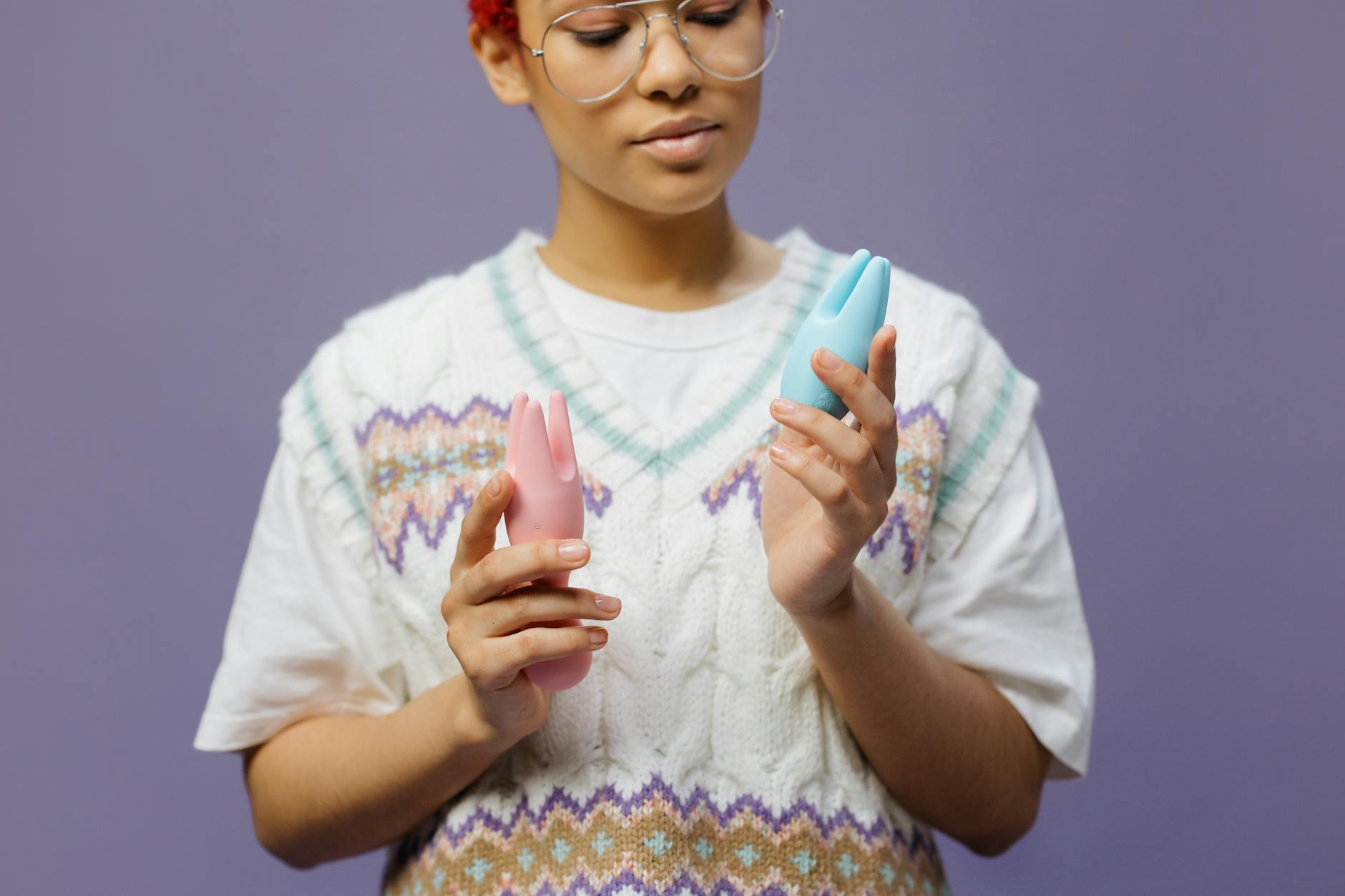
How to Use Lemon Clitoral Vibrators With Antidepressants Affecting Sensation
Let's be real. SSRIs save lives. They also flatten sensation in ways nobody warns you about. You start medication feeling broken, finish the stabilization phase feeling whole, then discover orgasm is now optional and sensation has dimmed to a soft hum. This isn't failure on your part. This is a well-documented side effect that affects roughly 40-50% of people taking selective serotonin reuptake inhibitors.
The good news: numbness from antidepressants isn't permanent, and it's not untreatable. Lemon clitoral vibrators, with their unique suction technology, can work differently on medication-dulled sensation than traditional vibrators do. Here's what I've learned from conversations with clients navigating this exact problem.
Why antidepressants change sexual sensation
SSRIs work by increasing serotonin availability in your brain. That same serotonin pathway affects arousal, genital blood flow, and the nerve sensitivity required for orgasm. Higher serotonin can feel stabilizing mentally while making your body feel like you're touching it through a layer of plastic wrap.
The numbness usually peaks within the first 4-12 weeks, then either stabilizes or gradually improves as your body adapts. But "gradually" might mean months. And for some people, sensation stays muted for as long as they're on the medication.
This isn't something to tough out silently. It's worth discussing with your prescriber because sometimes timing the medication differently (morning vs. evening), adjusting the dose, or switching to a different SSRI can help. But while you're figuring that out, you don't have to sacrifice pleasure.
How lemon vibrators work differently on medication-dulled sensation
Traditional vibrators rely on oscillation. They buzz against tissue at a frequency designed to trigger sensation. When that tissue is already numb from medication, a standard vibrator feels like background noise.
Lemon clitoral vibrators use pulsing air-suction technology instead. This approach creates a gentle pulling sensation rather than direct vibration. The advantage? Suction stimulates a broader area of nerve tissue at once, which can be more effective when sensation is muted. You're not trying to penetrate numbness with a single frequency. You're engaging multiple nerve pathways simultaneously.
Many people on SSRIs report that suction-based lemon vibrators feel perceptibly more intense than traditional vibrators at similar power levels, even when sensation is medication-dulled. This isn't magic. It's physics meeting neurology.
Starting over with sensation rebuilding
Think of this as a reset. You've built muscle memory around one way of touching yourself. Medication changed the landscape. Now you're learning your body a second time.
Start with the lowest suction setting on your lemon vibrator (usually pattern 1 or 2). Spend 20-30 minutes on exploration, not outcome. Notice what's different. Is the sensation stronger in certain areas? Does it take longer to build? Does it feel different emotionally than it did before medication? This isn't failure. It's data.
Many people on SSRIs find that the edge of the clitoral area responds faster than the center. Some discover that sustained suction at a lower setting works better than pulsing. Others need much longer warm-up time. None of this is universal. Your body is relearning what works for it right now, not who you were before.
The timeline myth
You've probably heard "it takes 6-8 weeks for the side effect to pass." It might. It might also take 6-8 months. It might not pass at all while you're on that particular medication. This matters because hope deferred can become frustration, which tanks arousal even further.
Instead, expect a slow curve. Week one through week four: you're probably still mostly numb. Week four through twelve: you might feel a shift, or you might not. Month three and beyond: some people notice gradual return of sensation. Others plateau. Some people find that switching to a different SSRI class (like a tricyclic) helps more than waiting.
The point: don't wait passively. Use this time to learn your body on medication. Lemon clitoral vibrators give you a tool that actually works with the numbness rather than fighting it.
Practical adjustments that make a difference
Three things I recommend to clients managing sensation dulling from SSRIs.
First, extend your warm-up window. When sensation is muted, arousal builds slower. Budget 30-45 minutes instead of the 15-20 you might have needed before medication. This sounds like a lot. It also means you're giving yourself permission to prioritize pleasure in a way many people don't. That mental shift often helps more than the extra time.
Second, use lube even if you don't think you need it. Medication can flatten natural lubrication. Water-based lube reduces friction and helps sensation travel more efficiently through tissue. It also signals to your brain that pleasure is the goal, which can help overcome the mental fatigue that often comes with medication-affected sexuality.
Third, don't skip the oral anti-SSRI side effects conversation with your doctor. Some people find modest success with timed dosing (taking the medication 12 hours after sex rather than right before). Others benefit from a small dose of bupropion added to their SSRI, which can counteract sexual side effects. A few people discover that a different medication class entirely (like an SNRI or atypical antidepressant) doesn't flatten sensation the way their current medication does. These are conversations worth having.
When to consider medication adjustment
If sensation hasn't improved at all after three months on medication, or if the numbness feels intolerable, you don't have to accept it as the cost of mental stability. Talk to your prescriber about these options:
Switching to a different SSRI. Some people tolerate one better than another in terms of sexual side effects. Paroxetine causes numbness more often than sertraline does, for example.
Adjusting timing. Taking your SSRI at night instead of morning (or vice versa) sometimes helps.
Adding a medication to counter the side effect. Bupropion or buspirone can help some people regain sensation.
Choosing a different medication class. SNRIs, atypical antidepressants, and older classes sometimes have different sexual side effect profiles.
None of these changes is simple, and none is guaranteed to work. But suffering in silence isn't necessary either. You deserve mental health treatment AND sexual pleasure. These things can coexist.
The emotional layer nobody talks about
Medication numbness is physical. It's also psychologically heavy. You finally got your anxiety or depression under control, and your body feels like it's punishing you by shutting down sensation. That resentment is real, and it makes arousal even harder.
When I work with couples navigating this, I always separate two conversations. The first is practical: "My body is responding differently because of medication, so we need to adjust our approach." The second is emotional: "I'm grieving the loss of spontaneity and ease I had before." Conflating them turns both into dead ends.
Using a lemon vibrator during this period isn't about proving you're "fine." It's about taking ownership of your pleasure while your medication does necessary work on your mental health. That's not selfish. That's self-care with teeth.
Moving forward
Sensation usually improves as your body adapts to medication, though the timeline is genuinely unpredictable. Some people regain full sensation after a few months. Others find a new baseline that's slightly muted but completely functional. A few discover that their sexual response is permanently different and that they're okay with that once they stop fighting it.
Lemon clitoral vibrators meet you wherever you are in that process. They work with medication-dulled sensation rather than requiring your body to perform at pre-medication intensity. That's why they're particularly useful during this transition.
Your pleasure matters as much as your mental health. You don't have to choose. You get both.
People also ask
Can I use a lemon vibrator while taking SSRIs?
Yes, completely safely. Vibrators don't interact with antidepressants. The numbness you feel is neurological, not mechanical, so a vibrator won't cause harm. In fact, many people find that the sustained suction approach of lemon clitoral vibrators works better on medication-dulled sensation than traditional vibrators do because they engage nerve pathways differently.
How long does SSRI numbness usually last?
It varies significantly. Some people notice improvement within 4-6 weeks. Others take 3-6 months to feel a shift. A portion of people on SSRIs experience persistent numbness for as long as they take the medication. This is why talking to your prescriber matters. There are often medication adjustments or additions that can help.
Does switching SSRIs help sexual side effects?
Often, yes. Different SSRIs have different side effect profiles. Paroxetine and fluoxetine tend to cause more sexual numbness than sertraline or escitalopram. If your current medication is flattening sensation unbearably, asking about a switch is reasonable. It might take a few tries to find the right one.
Can I combine my SSRI with something to restore sensation?
Possibly. Bupropion is sometimes added to SSRIs specifically because it can offset sexual side effects. Buspirone is another option some prescribers try. These aren't universal fixes, and they require a conversation with your doctor, but they're worth exploring if sensation loss is significantly impacting your quality of life.
Is it normal to feel guilty about wanting pleasure while on antidepressants?
Completely normal and deeply unhelpful. Antidepressants are medication keeping you mentally stable. Your sexuality is part of your health too. Taking time to explore pleasure with a lemon vibrator while your medication does its job is self-care, not indulgence. You deserve both mental health and sexual wellbeing.
What if I still can't orgasm after adjusting everything?
First, talk to your prescriber again. If medication adjustment isn't an option or hasn't helped, consider working with a sex therapist or counselor. Sometimes numbness from medication surfaces deeper patterns around pleasure or anxiety that deserve professional support. This isn't failure. It's using the right tool for the problem.
What comes next
If you're navigating SSRI-related numbness, start by talking to your prescriber about your options. In the meantime, explore how lemon clitoral vibrators work differently for reduced sensation. Many people also find it helpful to read about rebuilding desire after hormonal or medication changes, since the emotional component of this transition matters as much as the physical.
Your pleasure is worth protecting. Your mental health is worth protecting. Both matter. You get to have them together.
Have questions about using a lemon vibrator while managing medication side effects? Reach out to our team. We're here to help.