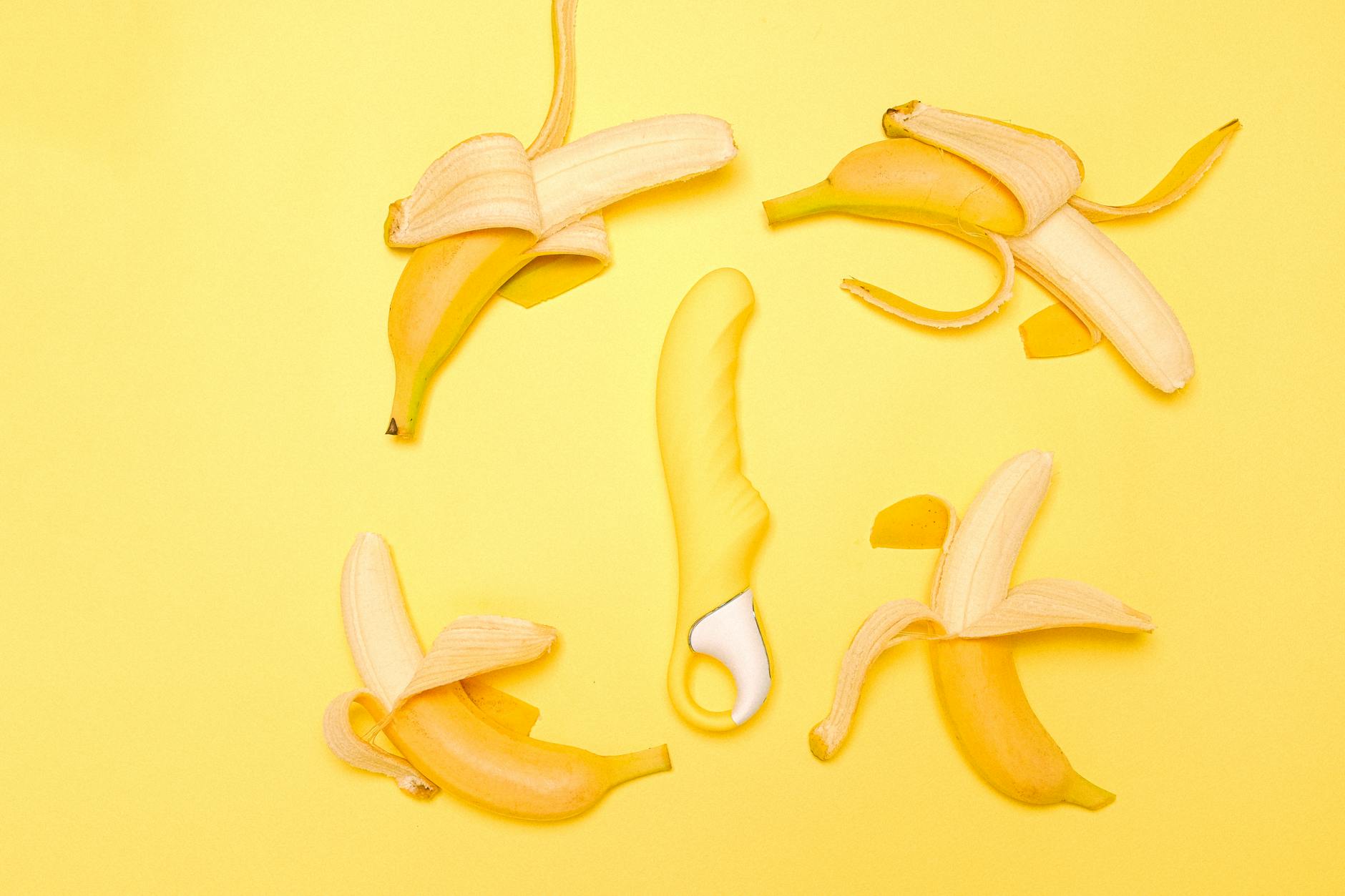
Here's what nobody tells you about desire and hormones
Your hormones shifted. That's biological fact. But here's the part that matters: desire isn't gone. It's recalibrating. The difference is everything.
I work with couples navigating birth control changes, perimenopause, postpartum recovery, and medication side effects. The story is always the same. One partner's libido drops. The other feels rejected. Both assume it's permanent. It rarely is.
What actually happens is that your baseline arousal threshold moves. The things that used to work don't land the same way. You feel broken. You're not. You're different. And different is fixable, especially when you have the right tool.
Why hormonal shifts kill desire (the actual mechanism)
Hormones don't just make you horny. They regulate neurotransmitters, blood flow, and how your nervous system processes pleasure. When estrogen drops or shifts, your brain produces less dopamine during arousal. Your genital tissue gets less blood flow. Your pelvic floor tightens because it's not getting the signal to relax. None of this means you can't have pleasure. It means your body needs different input to get there.
This is where lemon vibrators change everything. Unlike traditional vibrators, lemon clitoral vibrators use suction and air-pulse technology instead of direct vibration. That matters because suction stimulates the clitoris without the intense friction that thinner or more sensitive tissue can't tolerate. When your hormones have shifted, your tissue has too. Direct vibration can feel overwhelming. Suction feels like precision.
The three-phase rebuild with lemon sexual toys
Phase one: Solo reconnection. Before you bring a partner into this, you need to understand your new landscape alone. Use your lemon vibrator on the lowest setting. Spend 20 minutes just exploring. Don't chase orgasm. Chase sensation. Notice what feels good now. What's numb. What's oversensitive. This sounds clinical but it's actually generous to yourself. You're gathering data instead of judging yourself.
Most people skip this phase and go straight to partnered sex, then blame their body when things don't work. Your body isn't the problem. Your body is trying to tell you something. Listen.
Phase two: Emotional reconnection. Talk to your partner about what you're noticing. Not "my desire is gone," but "my desire works differently now and I'm figuring out how." That language shift prevents your partner from taking it personally. It also prevents you from turning a biological shift into an identity crisis.
Using a lemon clitoral vibrator together is a statement. It says: I'm willing to explore this with you. I'm not waiting for my body to go back to the way it was. I'm meeting it where it is now. That's actually more intimate than pretending nothing changed.
Phase three: Integrated pleasure. Once you know what your body responds to, you can build it into partnered sex. Maybe you use your lem vibrator for the first ten minutes while your partner touches you elsewhere. Maybe you use it during penetration. Maybe it's your primary source of clitoral stimulation and that's okay. There's no scorecard. The goal is both of you feeling good.
Lubrication shifts when hormones shift
Your body probably isn't lubricating the way it used to. This is one of the first things that changes and one of the last things people talk about. Water-based lubricant isn't a sign of failure. It's a tool. Use it generously.
When you're using a lemon vibrator with reduced natural lubrication, the suction technology actually works better with added lubrication because it creates a stronger seal. This is counterintuitive. You'd think more lubrication means less sensation. It doesn't. It means better contact and more consistent stimulation.
Apply water-based lube to the cup of your vibrator, not just your skin. This creates the seal the technology needs to work properly. Start with one setting lower than you think you need. You'll probably be surprised at how effective it is.
The timeline nobody mentions
Rebuilding desire after a hormonal shift takes 4 to 8 weeks of consistent exploration. Not because your body is broken. Because your nervous system needs time to rewire what pleasure looks like with this new hormonal baseline. This is why one-off attempts don't work.
You need a practice, not a performance. Set a realistic frequency. Three times a week is better than once a week. Consistency matters more than duration. A 15-minute session where you're actually present is more effective than 45 minutes of performing for someone else's benefit.
During this rebuild phase, how to use lemon vibrators when you feel numb or disconnected from pleasure becomes essential reading. Numbness is part of the recalibration process, not proof that something's wrong.
What changes and what doesn't
Your capacity for pleasure doesn't disappear. Your ability to orgasm doesn't disappear. What changes is the pathway to get there. You might need longer warm-up time. You might need consistent pressure instead of varied patterns. You might discover that one specific setting on your lemon vibrator is your person now, and that's fine.
What also doesn't change: your right to pleasure. Your deserve to feel good. Your body's intelligence about what it needs. Hormones are powerful but they don't define your sexuality. They just shift the coordinates.

Photo by Vanessa Loring on Pexels
Communication patterns that actually help
Don't say: "I'm not attracted to you anymore." Say: "My arousal is working differently right now and I need your patience while I figure out what my body needs."
Don't say: "I don't want sex." Say: "I need more time and different input to get aroused, and I want to explore that together."
Don't say: "I'm broken." Say: "My body is adjusting and here's what's helping me reconnect."
This isn't pretending. It's accurate. Your brain is literally reorganizing how it processes pleasure. That takes time. That's normal. That's not a rejection of your partner.
If your partner struggles with this shift, how to use lemon vibrators when rebuilding intimacy after conflict addresses the couple dynamics directly. Sometimes the hormone shift is real but the relationship friction is the actual barrier.
When to bring a medical perspective in
If your desire completely flatlined and hasn't budged after six weeks of consistent exploration, talk to your doctor. Hormonal shifts sometimes need medical support. That might be birth control adjustment, medication review, or hormone therapy depending on what's driving the change. There's no shame in that path. It's information.
Also talk to someone if pleasure becomes painful. Pain during arousal or orgasm is your body's alarm system. It's correctable but it needs professional eyes. A gynecologist or sexual health specialist can rule out tissue changes that need topical treatment or other interventions.
The rebuild is actually an upgrade
I've worked with hundreds of couples through hormonal transitions. The ones who get through it best are the ones who stop trying to go back to the way it was and instead get curious about what's new. That curiosity is what lemon vibrators support so effectively. They're different enough from what you might have used before that they signal permission to explore differently.
Your partner using a lemon vibrator with you isn't a workaround. It's an intimacy tool. You're literally learning your bodies together. That's the definition of connection.
FAQ: Rebuilding desire after hormonal changes
How long does it actually take to feel desire again after a hormonal shift?
Most people notice significant changes in four to six weeks with consistent exploration. But full recalibration can take three to four months. This isn't linear. You'll have great days and flat days. That's normal. The trend matters more than any single session.
Can lemon vibrators help if I'm on antidepressants that killed my libido?
Yes, but with context. Antidepressants change dopamine and serotonin processing, which affects arousal. A lemon clitoral vibrator can help you discover what does still feel good despite medication effects. But if your libido completely disappeared after starting medication, talk to your prescriber. Dosage changes or adding something like bupropion sometimes helps. The vibrator is a tool for exploration, not a replacement for medical adjustment.
Is it normal that my partner's lemon vibrator does more for me than my own body does right now?
Completely normal. Right now your nervous system is recalibrating. External tools provide input that your body's baseline isn't generating alone. This is temporary. As your hormones stabilize, your body's natural responses will usually come back. The vibrator helps you get there faster by keeping you in the pleasure practice.
What if I rebuild desire but my partner has moved on or lost interest?
That's a relationship issue separate from your hormonal issue. Couples can drift during periods of sexual mismatch. If that happened, you might benefit from working with a therapist together to rebuild emotional connection, not just physical connection. Lemon vibrators help with the physical side. Honest conversation helps with the rest.
Should I be using lemon vibrators if I'm trying to get pregnant?
There's no biological reason not to. Vibrator use doesn't affect fertility. But if hormonal shifts are part of your fertility treatment or cycle tracking, your doctor might have specific guidance. Ask them directly. What usually helps during fertility focus is the same thing that helps during hormonal transitions: consistent pressure, patience with your body, and tools that let you explore without judgment.
Can my body develop a preference for my lemon vibrator and stop responding to partnered touch?
This is the concern most people don't voice. The short answer: no. Your nervous system is capable of responding to multiple forms of input. Think of it like taste. You can love a specific restaurant and still enjoy cooking at home. They're not in competition. That said, if you notice you're only interested in vibrator stimulation, check in with your partner about overall emotional connection. Sometimes that pattern signals relationship drift, not vibrator dependency.
What's the right intensity setting when I'm rebuilding desire?
Start two settings lower than you think you need. Most people's nervous systems are overstimulated during hormonal transitions. Low pressure with consistent rhythm usually outperforms high intensity. You can always go up. You can't undo overstimulation if your tissues are already sensitive.
The work is worth it
Rebuilding desire after hormonal shifts feels like failure. It's not. It's adaptation. Your body is doing what healthy bodies do: responding to change by reorganizing. That's intelligence, not breakdown.
Lemon clitoral vibrators help because they work with your body's new settings instead of fighting them. They give you a practice ground for reconnection. They signal to your partner that you're in this together. And they buy you time while your system does the deeper work of recalibration.
Your desire isn't gone. It's shifting. And that shift is workable, especially when you have the right approach and the right tools.
If you're navigating this alone and could use structured support, reach out to us. We're here to help.