Here's the thing about pleasure after trauma
There's a widespread myth that trauma survivors shouldn't use vibrators during healing. The logic sounds protective but it's backwards. Reclaiming solo pleasure is one of the most powerful things you can do to reset your nervous system and rebuild safety in your own body. The key is doing it on your terms, with full control, and at the pace your body actually needs.
That's where lemon vibrators shine in recovery work. They're not about intensity or performance. They're about agency. When someone uses a lemon clitoral vibrator after trauma, they're making a conscious choice to touch themselves, to decide what feels good, and to stop whenever they want. That agency is healing.
Why lemon vibrators specifically help trauma survivors
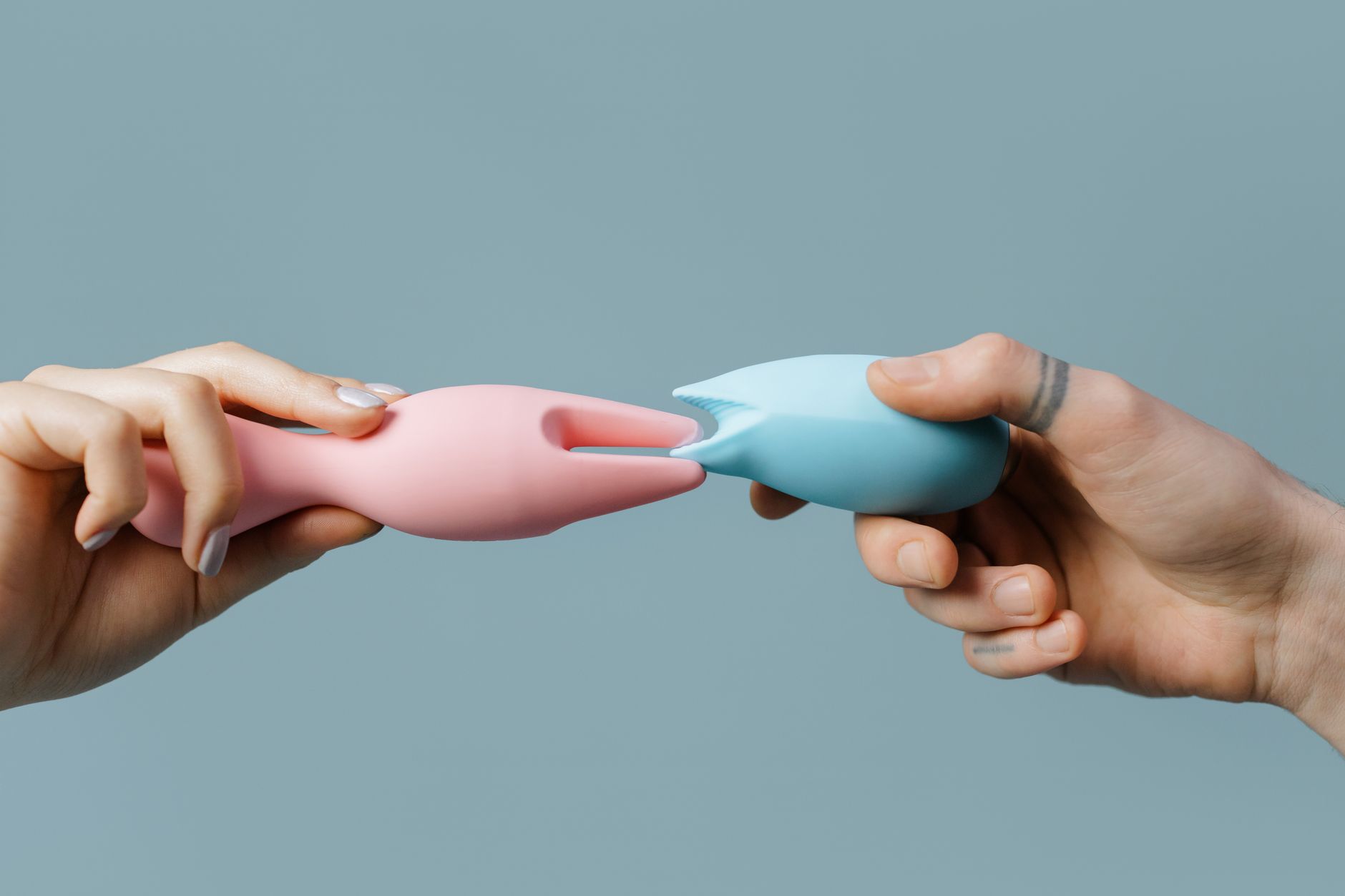
Most vibrators work through rapid vibration or deep rumble. Lemon vibrators, including the popular lem vibrator model, work through gentle suction and pulsing patterns. This matters tremendously for recovery because suction mimics the body's own arousal response without the intensity of direct friction.
When your nervous system has learned to brace or dissociate, intense vibration can feel destabilizing. Suction feels different. It's rhythmic, contained, and easier to stay present with. You're not being overstimulated. You're being invited.
Second, lemon adult toys offer multiple intensity levels starting at very low patterns. Pattern 1 on a lemon clitoral vibrator is barely perceptible. You can spend weeks at that level if you need to. There's no pressure to escalate. This slow-building approach matches trauma-informed care principles perfectly.
Third, the design of lemon sexual toys puts you in control of contact. You choose how close, how long, what angle. This autonomy is not a side benefit. It's central to nervous system healing.
The nervous system piece nobody explains
Trauma lives in your nervous system. When you've experienced sexual violence or pelvic injury, your body learns to protect itself through tension, dissociation, or shutdown responses. Healing isn't about willpower. It's about slowly, safely, teaching your nervous system that touch and pleasure are possible again.
This is called somatic therapy, and it works by creating moments of felt safety paired with gentle sensation. That's the entire framework lemon vibrators fit into. A gentle pulsing sensation that you completely control, on your timeline, in your space. Your nervous system begins to recognize the pattern. This is safe. I chose this. I can stop it anytime.
After weeks or months of this, something shifts. The bracing softens. Dissociation during pleasure becomes less automatic. Some clients report that their first real sensation of internal relaxation happens during solo play with a lemon vibrator, not during partnered sex.
How to actually start (if you're ready)
Step 1: Get clear on readiness. This isn't about timeline or what you think you should be doing. Are you wanting to try this? Or does it feel obligatory or like part of recovery work you think you have to complete? Real readiness feels like curiosity, not pressure.
Step 2: Build the container. Create a physical space where you feel safe and won't be interrupted. Lock the door. Put the phone in another room. This isn't paranoia. You're signaling to your nervous system that this is a protected moment, and interruption risk lowers your sense of safety.
Step 3: Start with touch, not the vibrator. Spend two or three sessions just touching your own thighs, stomach, breasts, with no goal. No agenda. The point is to rebuild the felt sense that your own touch is safe and can feel good. This takes time.
Step 4: Introduce the vibrator on low, externally only. On a day when you feel grounded and present (not during high stress), hold a lemon vibrator on pattern 1 against the outer labia. Don't push toward anything. Just notice sensation. You might feel arousal. You might feel nothing. Both are completely normal. The goal is noticing, not performing.
Step 5: Stop before you want to. This sounds counterintuitive but it's crucial. If you feel even slightly overwhelmed, or if dissociation begins, stop immediately. But if you're present and feeling good, stop after 5 or 10 minutes anyway. You want your nervous system to end the experience while you're still in a good place, not depleted. This builds trust that pleasure is safe because it has clear, predictable boundaries.
Common patterns in early recovery
Most trauma survivors using lemon sexual toys during healing report one of three experiences early on.
You feel nothing. Numbness is your nervous system's protective response. It doesn't mean the vibrator is wrong or that you're broken. It means keep going slowly. Your sensation will return as safety accumulates. Weeks or months of regular, gentle contact often precedes the first real feeling.
You feel arousal but it triggers panic. This is the nervous system recognizing arousal as a threat cue (because historically, it was). This is normal and workable. Use grounding techniques: feel your feet on the floor, name five things you can see. Your vibrator stays on the low setting. You're training your body to recognize that arousal without threat is possible.
You feel pleasure and deep shame. Shame often shows up alongside healing pleasure after trauma. This is also normal. Many trauma survivors learn to disconnect pleasure from self-worth. Allow the shame, don't fight it. Keep using your lemon vibrator anyway. Over time, shame and pleasure can coexist without derailing you.
The pelvic floor dimension
Sexual trauma and pelvic injury often cause the pelvic floor to chronically tense. This can make penetration painful and block sensation. Here's something subtle that lemon vibrators help with: the gentle external stimulation can gradually help tight pelvic floor muscles relax, because you're building arousal without triggering the protective contraction response that harder vibration might cause.
If you're working with a pelvic floor physical therapist during recovery, mention the vibrator. A good PT can help you coordinate relaxation work with solo play. Some survivors find that 10 minutes with a lemon clitoral vibrator right after pelvic floor stretches amplifies the relaxation.
Working with a partner (when you're ready)
Partner involvement in recovery from sexual assault is delicate. Here's what I recommend. First, rebuild your solo relationship with pleasure and your body. Do this alone, with a lemon vibrator if it feels right. Get to a place where you feel some safety and agency in your own arousal. This usually takes months, not weeks.
Only then, if you want to, invite your partner in. And even then, start with your partner present but not touching. You use the vibrator while they simply sit nearby. The goal is your nervous system learning that partner presence plus your own pleasure is safe. This is a specific type of healing. It's not performance sex. It's nervous system integration.
When to involve a trauma-informed therapist
If dissociation is severe, if you experience flashbacks during any solo play, or if panic is your dominant response even after patient work, reach out to a trauma-informed therapist who specializes in somatic healing or EMDR. Lemon vibrators are a supportive tool, not a replacement for professional care. The best outcomes happen when you're working with both.
The timeline is yours
Some survivors rebuild sexual pleasure in months. Some take years. Both timelines are normal and right. Your job isn't to move fast or to prove anything. Your job is to stay curious about what your body is telling you, to honor the pace that feels safe, and to recognize that every small moment of choosing pleasure on your own terms is an act of reclamation.
Lemon vibrators work well in this journey because they match the principles of trauma-informed care: they're gentle, you control them completely, they escalate only as you want them to, and they offer a clear on-off boundary. Your pleasure matters. Your safety matters more. And lemon sexual toys can support both.
People also ask
Can I use a lemon vibrator if I'm not ready for penetration?
Absolutely. All lemon clitoral vibrators are designed for external use. You never have to progress to anything internal. External clitoral pleasure is complete, valid, and exactly where many survivors choose to stay. Pressure to advance beyond what feels safe is counter to healing. Use what feels good, period.
How do I know if I'm retraumatizing myself during solo play?
Retraumatization often feels like flashbacks, sudden panic, dissociation, or an impulse to harm yourself. If you notice those patterns, pause and ground yourself. Check in with a therapist. Healing play feels present, safe, and like you could stop anytime. If it doesn't feel that way, adjust or wait. There's no rush.
What if pleasure triggers shame or guilt?
Shame is a common response after trauma because many survivors internalize blame. Using a lemon vibrator despite shame is actually reparative. You're signaling to yourself that you deserve pleasure regardless of what happened to you. Notice the shame without judgment. Feel it. Keep touching yourself anyway. Over time, shame loses its grip.
Should I tell my partner about using a lemon vibrator during recovery?
That depends on your relationship and safety. If your partner is supportive and trauma-informed, yes. Honesty builds connection. If your partner has historically minimized your experience or used sex as control, keep your recovery process private and protected until you feel stronger. Your pleasure and safety come first.
How often should I use a lemon vibrator during early recovery?
There's no prescription. Some people benefit from twice weekly 10-minute sessions. Others do monthly check-ins. Listen to your body. If it feels restorative and grounding, continue. If it feels obligatory or triggering, pause and reassess. Trauma recovery isn't linear. Rest is part of healing.
Can I use my lemon vibrator if I'm on medication for trauma or PTSD?
Yes. Many trauma medications (SSRIs, anti-anxiety medications) can affect sensation or arousal, which is covered in depth in our guide on how to use lemon vibrators when estrogen changes affect arousal and sensation. Start on low settings and adjust pace accordingly. Talk with your prescriber if sensation changes feel concerning.
Your reclamation matters
Trauma tells you that your body isn't safe. Healing involves slowly, persistently, teaching yourself the opposite. A lemon vibrator, used gently and on your own terms, is one of the tools that helps. There's no rush. There's no finish line. Every moment you choose presence and pleasure in your own body is a victory. Keep going at your pace.
If you're looking for more support on rebuilding intimacy after difficult experiences, check out our guide on how to use lemon vibrators when rebuilding after illness or recovery. And if anxiety is blocking your ability to relax during solo time, we've covered that too: how to use lemon vibrators when anxiety affects your ability to relax.
Your healing deserves attention, patience, and tools that work with your nervous system. That's what lemon vibrators offer. Use them. Trust yourself. You're worth it.